Why Knowing It Won't Last Forever Makes You Actually Taste Your Food
Here's a small experiment. Think about the last time you ate something you knew was going away. Maybe it was a seasonal pumpkin thing at your local coffee shop, or a limited-run flavor at an ice cream place you love. Did you rush through it? Probably not. Chances are, you paid more attention. You noticed the texture. You went back for a second spoonful before the first one had even fully landed.
That's not coincidence. That's your brain doing something genuinely interesting — and it turns out the Japanese have been building entire cultural rituals around this exact psychological phenomenon for centuries.
The Blossom That Only Stays a Week
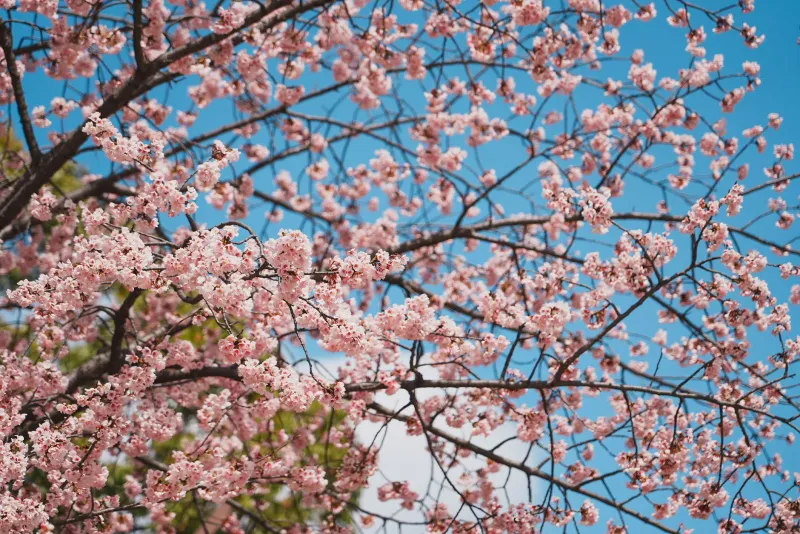
Cherry blossoms in Japan don't stick around. Peak bloom lasts somewhere between seven and ten days, and then it's over until next year. That fleeting window is precisely the point. The Japanese concept of mono no aware — often translated as "the pathos of things" or a bittersweet awareness of impermanence — is deeply woven into how people experience hanami, the tradition of gathering beneath sakura trees to appreciate the blossoms.
You don't scroll your phone under a cherry blossom tree. You look up. You're present in a way that feels almost involuntary, because some part of you registers that this specific moment has an expiration date.
At 36 Sakura Café, that same awareness gets built into the dining experience through seasonal menus that genuinely change — not as a marketing gimmick, but as a philosophical commitment to the idea that the best meals are the ones that can't be repeated exactly.
What Neuroscience Says About "Limited Time"
For years, marketers have exploited scarcity as a pressure tactic. Flash sales, countdown timers, "only 3 left in stock" — all of it designed to trigger anxiety and fast decisions. But researchers have started uncovering a more nuanced picture of how limited availability affects human behavior, and it's not all stress-driven impulse buying.
When something is genuinely scarce — not artificially manufactured to feel that way, but actually, truly temporary — the brain shifts into a different mode. Studies in attentional psychology suggest that perceived scarcity increases what researchers call hedonic engagement, which is basically a fancy way of saying you enjoy the thing more. You're not just consuming it; you're experiencing it.
The prefrontal cortex, which handles things like planning and self-regulation, becomes more active. You're not on autopilot. You're making choices, noticing details, and processing the sensory experience with more depth than you would if you assumed the thing would always be there.
In plain terms: knowing a dish is only available for six weeks makes you taste it differently than if it were on the menu year-round.
FOMO Has a Better-Behaved Twin
We talk a lot about FOMO — fear of missing out — as though it's purely a social media anxiety spiral. And sure, it can be. But the underlying mechanism, that heightened awareness of a closing window, doesn't have to produce stress. When it's channeled into a physical, present-tense experience like eating, it can flip into something closer to mindfulness.
Call it temporal awareness. The simple knowledge that this specific plate, made with these specific seasonal ingredients, available right now won't exist in exactly this form again creates a kind of gentle urgency that has nothing to do with rushing. It actually slows people down.
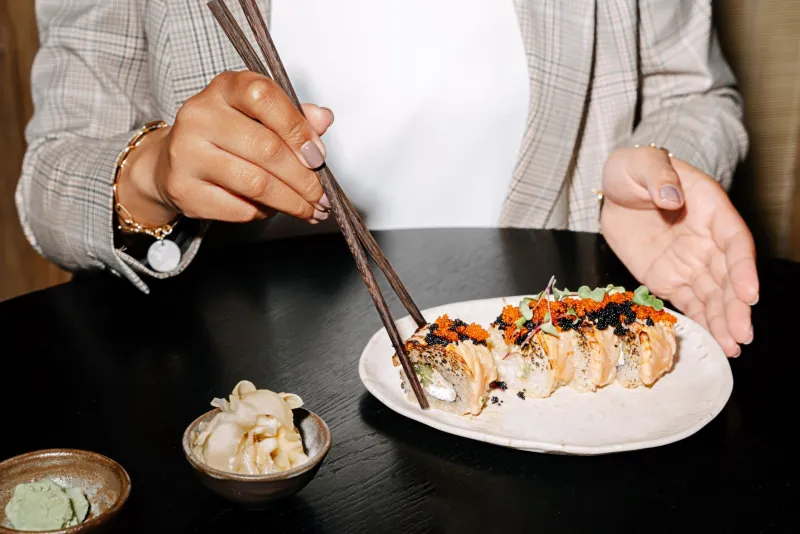
Diners at 36 Sakura Café consistently describe something like this without necessarily having the language for it. There's a quality of attention that shows up when the server explains that a dish features cherry blossom-cured salmon that's only available during a specific window. People lean in. They ask questions. They eat more slowly, more deliberately, as though the plate deserves their full consideration — because it does.
Seasonal Eating as a Radical Act in America
American food culture has spent decades moving in the opposite direction. Strawberries in December. Pumpkin spice in August. The entire grocery infrastructure is built around erasing seasonality, giving consumers access to everything, always. Which sounds like abundance, and in some ways it is.
But there's a real cost to that erasure. When nothing is ever out of season, nothing is ever special. When a strawberry is available in January, it loses the particular joy it carries in June. The sensory experience flattens. Food becomes fuel rather than occasion.
The growing interest in Japanese-inspired dining among American food lovers isn't purely aesthetic — it's not just about the beautiful plating or the minimalist interiors, though those things matter. It's also about this: the relief of being handed a menu that reflects what's actually happening outside right now. Ingredients that are here because it's their moment, not because a supply chain made them perpetually available.
There's something almost countercultural about a restaurant that says, we're not serving that right now because it's not the right time for it. In a world where you can get almost anything delivered to your door in under an hour, the deliberate embrace of seasonal limits feels surprisingly radical.
How the Café Builds Impermanence Into the Experience
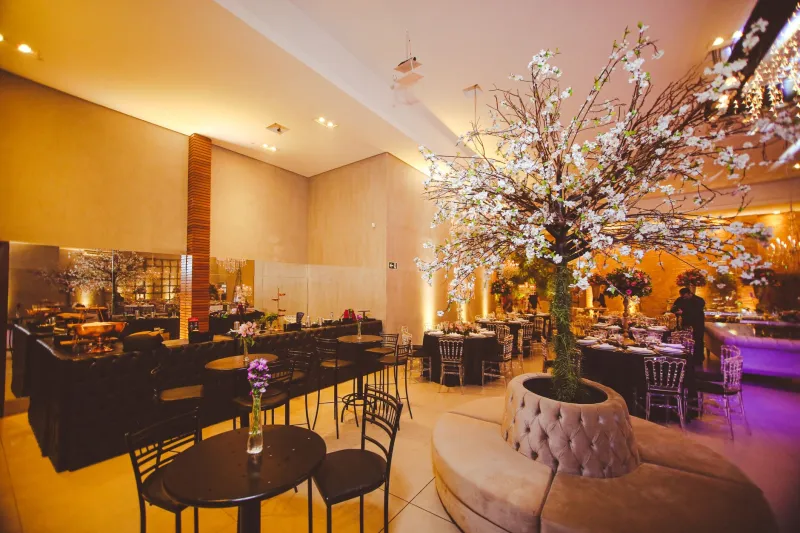
At 36 Sakura Café, the seasonal philosophy isn't just a menu strategy — it shapes the entire rhythm of a visit. The 36-minute dining window, the carefully curated seasonal ingredients, the dishes that appear and disappear with the turning of the calendar: all of it is designed to create the same quality of attention that a week of cherry blossoms inspires in Japan.
When you book a table here, you're not just reserving a seat. You're reserving a specific moment in time. That shift in framing — from transaction to occasion — changes how you show up. You arrive differently. You're already paying attention before the first dish lands.
And when it does land, that awareness is already active. You know this particular combination of flavors, this specific interpretation of a seasonal ingredient, exists right now and won't exist in quite the same way again. So you slow down. You notice. You're actually there.
The Lesson the Blossoms Keep Teaching
Cherry blossoms don't last long enough to take for granted. That's the whole point. Their brevity is what makes them worth traveling for, worth sitting beneath, worth paying attention to.
The best meals work the same way. Not every meal — that would be exhausting. But the ones that are designed around impermanence, around the particular beauty of right now, have a way of landing differently. They ask something of you. They invite you to show up fully.
And more often than not, when you do, you realize you've been tasting things for years without really tasting them at all.