Waiting Months for a Table Taught Me Something No App Ever Could
There's a particular kind of discomfort that comes with being told no — or rather, not yet. We've mostly engineered that feeling out of modern life. Same-day delivery. Instant streaming. A restaurant table at 7:15 tonight, confirmed before you've even put your phone down. The friction has been sanded off almost everything, and most of us didn't notice until something came along that refused to play by those rules.
For a growing number of Americans, that something is a reservation at 36 Sakura Café.
The waitlist here runs long — we're talking weeks, sometimes months, depending on the season. And the reaction from first-timers is almost always the same: a flicker of disbelief, followed by something harder to name. Not frustration, exactly. More like the strange, slightly unsettling feeling of being asked to simply wait.
We Forgot What Waiting Feels Like
To understand why the 36 Sakura Café waitlist hits differently, it helps to understand how thoroughly on-demand culture has rewired American expectations. A 2023 study out of MIT found that the average American adult now experiences measurable anxiety when a webpage takes longer than two seconds to load. Two seconds. We've become so calibrated to immediacy that even the briefest delay registers as a problem to be solved.
Restaurant culture has followed the same arc. OpenTable, Resy, and a dozen other platforms have made same-night bookings the norm. If a spot isn't available, you move on — there's always another option, always another tab to open. The idea of committing to a single reservation months in advance, and then sitting with that commitment, feels almost quaint.
But quaint might be exactly what people are craving.
"I put my name on the list in February," says one regular diner who drove up from Philadelphia for her first visit. "I genuinely forgot about it for a while. Then the confirmation came in April, and I felt this rush — like, oh right, that's still happening. I thought about it almost every day after that."
That anticipation, it turns out, isn't a bug. It's the whole point.
The Psychology of the Long Wait
Behavioral economists have known for decades that delayed gratification reshapes the way we value things. The research on this is pretty consistent: when we wait for something, we tend to enjoy it more. Not because the thing itself has changed, but because we've spent time building a relationship with the idea of it.
Dr. Ayelet Fishbach, a behavioral scientist at the University of Chicago, has written extensively about how anticipation primes us for pleasure. The waiting period becomes what she calls "pre-experience" — a mental rehearsal that deepens the eventual payoff. You imagine the meal. You read about the ingredients. You tell a friend. By the time you actually sit down at the table, you've already been dining there in some corner of your mind for months.
At 36 Sakura Café, this process is baked into the design. The reservation system isn't an accident of limited capacity. It's a deliberate extension of the dining philosophy — one rooted in the Japanese concept of ma, the meaningful space between things. The wait is the space before the meal. It has weight. It has purpose.
What the List Is Actually Teaching Us
Spend any time in the comments section of the 36 Sakura Café reservation page — or in the informal online communities that have grown up around the experience — and a pattern emerges. People aren't just waiting. They're preparing.
Some research Japanese dining etiquette for the first time. Others start paying attention to seasonal ingredients, noticing when cherry blossoms appear in grocery stores or when Japanese teas start showing up at the farmers market. A surprising number of people say the waitlist prompted them to slow down in other areas of their lives — to notice, as one commenter put it, "how much I was rushing through things I actually loved."
This is the quiet sociological shift hiding inside a restaurant reservation. When you commit to something you can't have immediately, you start to notice all the ways you've stopped sitting with things. The book you started and abandoned. The recipe you meant to try. The friend you keep meaning to call.
The waitlist becomes a mirror.
A Different Kind of Hunger
There's a specific quality to the hunger you feel walking into 36 Sakura Café after months of anticipation. It's not just physical. It's layered — part appetite, part relief, part something almost ceremonial. You've earned this seat not through speed or luck or the right app, but through patience. That changes how you inhabit the space.
Tables here seat guests for a 36-minute dining window, which might sound brief until you realize that every minute has been preceded by weeks of quiet anticipation. The math is different. Time moves differently when you've waited for it.
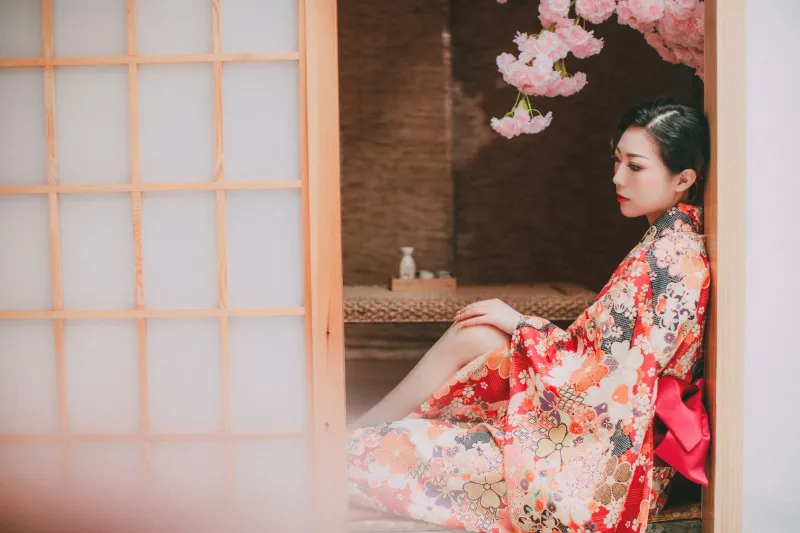
Regulars talk about this phenomenon constantly. The meal tastes better. The details land harder — the arrangement of petals on the plate, the weight of the ceramic cup, the way the lighting shifts subtly as the evening moves. These are things you'd scroll past in a photo. They're things you can only really absorb when you've been looking forward to them long enough.
The Counterintuitive Gift of Being Made to Wait
In a culture that treats speed as a virtue and waiting as a failure, 36 Sakura Café is doing something quietly radical. It's asking you to want something you can't have right now — and then watching what that does to you.
For most people, what it does is good. It builds focus. It creates intention. It turns a dinner reservation into something closer to a ritual, with a beginning that starts long before you walk through the door.
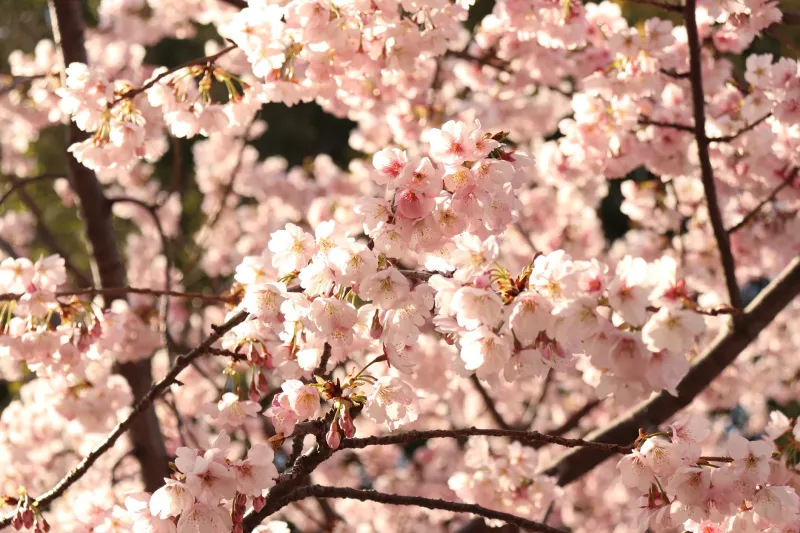
The cherry blossom itself is the perfect metaphor here, and it's not accidental that it sits at the heart of this café's identity. Sakura blooms for days, sometimes less. Its beauty is inseparable from its brevity. You can't manufacture it, stockpile it, or order it on demand. You wait for the season, and the waiting is what makes the bloom mean something.
Maybe that's what the list is really teaching: some things are worth wanting slowly.