Why 36 Isn't Just a Number — It's the Philosophy Hiding in Plain Sight at Every Table
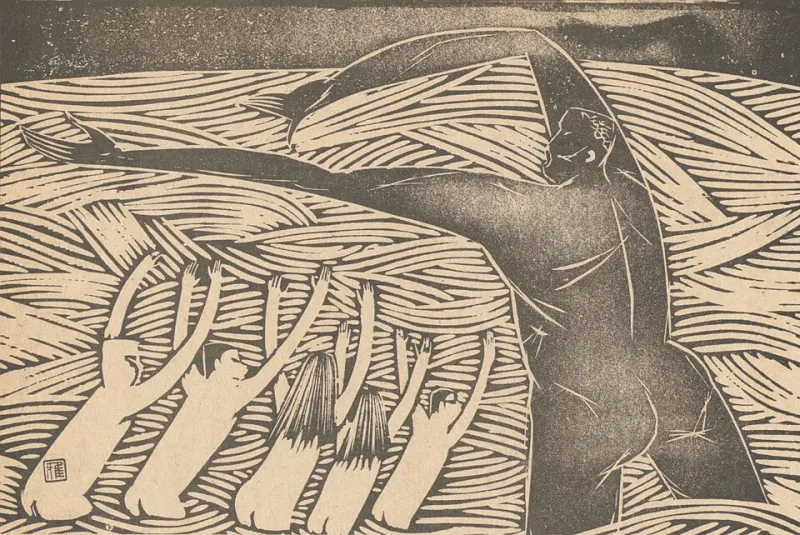
Photo: Unknown authorUnknown author, Public domain, via Wikimedia Commons
Most guests walk through our doors thinking the "36" in our name is just a street address or a quirky branding choice. Maybe a lucky number someone picked on a whim. It isn't any of those things. The number 36 carries a quiet but powerful meaning in Japanese aesthetics and philosophy — and once you understand it, you'll start noticing it everywhere in your meal, your surroundings, and even the way your evening unfolds.
This isn't mysticism for its own sake. It's the kind of intentional thinking that separates a memorable dining experience from a forgettable one. So let's pull back the curtain a little.
The Woodblock Print That Started It All
If you've ever seen Katsushika Hokusai's famous series Thirty-Six Views of Mount Fuji — and there's a decent chance you have, even if you didn't know the name — you already have a sense of what 36 means in Japanese artistic tradition. Hokusai didn't choose 36 views arbitrarily. In East Asian numerology, 36 is considered a number of completeness and mastery. It's six squared, a multiplication of a number long associated with balance and harmony. Across Chinese and Japanese philosophical traditions, 36 represents the full range of something — a complete picture, a whole perspective, a thorough understanding.
Hokusai was essentially saying: here is everything you need to see. Here is the complete view.
That idea — the complete view, the full picture — is exactly what we were reaching for when we named this place.
Completeness as a Dining Philosophy
Japanese culinary culture has always been interested in wholeness. The concept of ichiju sansai (one soup, three sides) isn't just a meal structure — it's a philosophy about balance across flavors, textures, and nutrition. The idea that a meal should feel complete, not just filling, runs deep in Japanese food culture and it's something that gets lost pretty easily in American dining, where "more" tends to be the default setting.
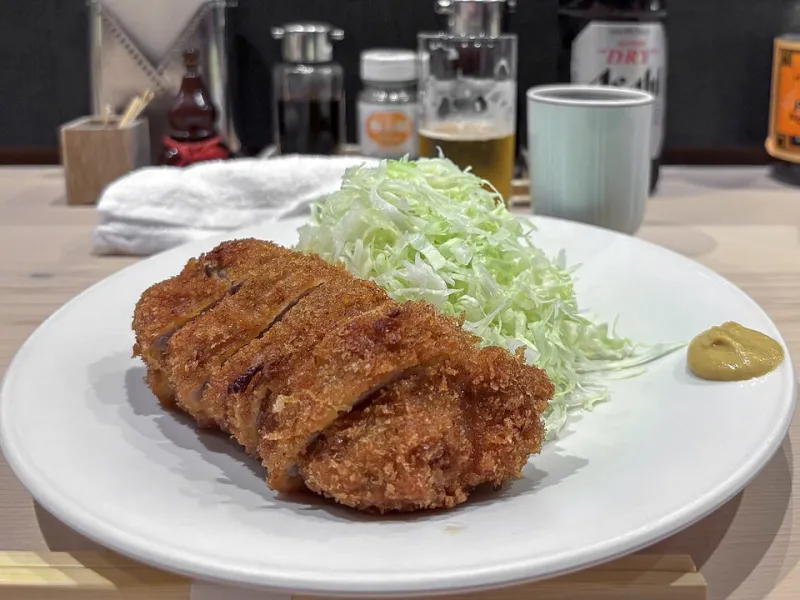
At 36 Sakura Café, we take the idea of completeness seriously. Our menu isn't designed to overwhelm you with options. It's designed to give you exactly what you need to feel like you've experienced something whole. Every section of the menu was built with balance in mind — the way a savory dish leads into something lighter, the way a rich flavor gets followed by something clean and bright, the way a meal here is meant to arc, not just accumulate.
That's the 36 principle at work. Not excess. Completion.
The Number in the Details
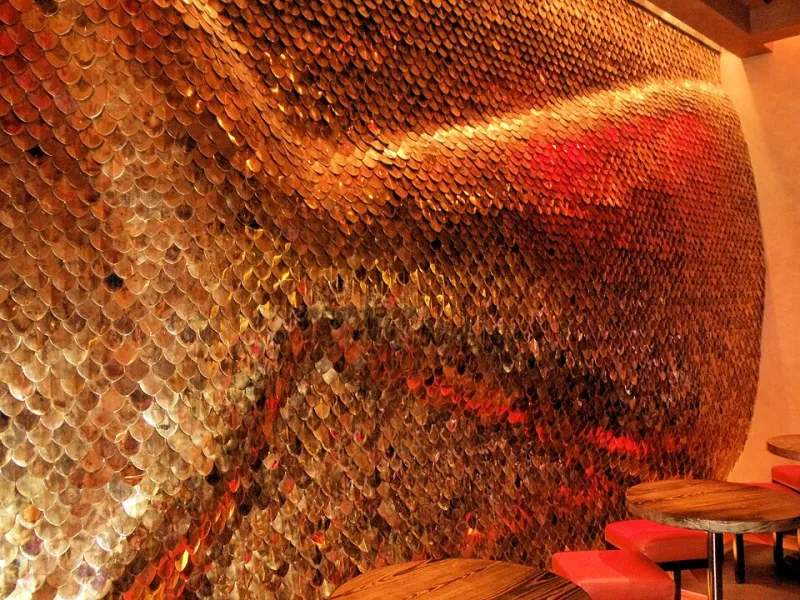
Once you start looking, you'll find 36 woven into the fabric of the space itself. The arrangement of elements in our dining room isn't random — the number of lanterns, the panels along certain walls, the segments in our signature window installation. These aren't Easter eggs for obsessive guests to hunt down. They're part of a coherent design language that says: this place was thought through.
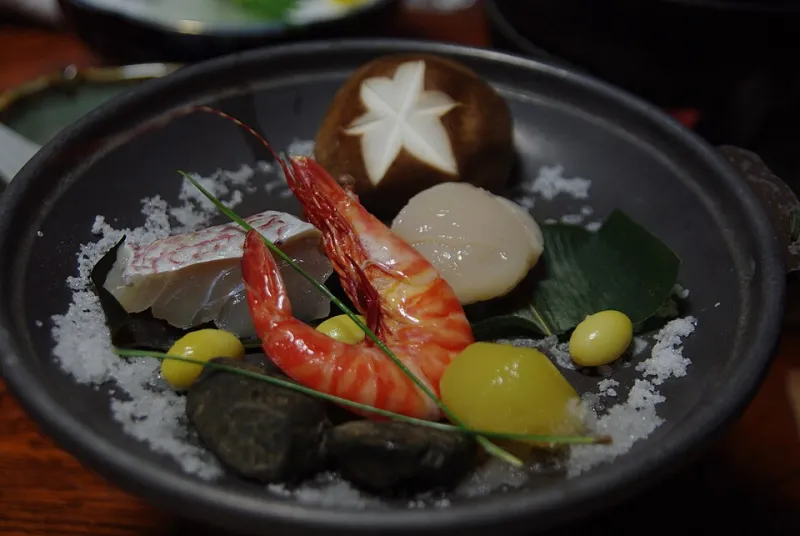
Our sakura-inspired menu structure follows a similar logic. The progression of flavors across a full tasting experience here mirrors the 36-view concept — not 36 courses, obviously, but the idea that each part of your meal offers a distinct perspective on the same essential ingredients. You might encounter cherry blossom in a drink, then as a delicate garnish, then as a subtle note in a sauce. Same petal, different angle. By the end, you've seen the whole mountain.
Why Americans Are Ready for This Kind of Thinking
Here's something interesting: American diners are increasingly drawn to experiences that feel intentional. The rise of omakase-style dining, the popularity of chef's tasting menus, the growing interest in restaurants that have a clear point of view — all of this points to a shift. People are tired of randomness. They want to feel like someone thought carefully about what they're about to eat.
The 36 concept speaks directly to that hunger (pun mildly intended). When a restaurant has a philosophy — a real one, not just a marketing tagline — guests feel it. They can't always name it, but they feel it in the pacing of the meal, the coherence of the flavors, the way the space makes them feel calm rather than stimulated. That feeling has a source. At 36 Sakura Café, part of that source is a very old idea about what it means to see something completely.
Sakura as the Perfect Symbol for 36
Cherry blossoms were always going to be part of this place. But the pairing of sakura with the number 36 isn't accidental either. The cherry blossom is one of the most written-about, painted, and philosophized subjects in all of Japanese culture — and part of what makes it so compelling is that it represents the complete arc of a beautiful thing. Bloom, peak, fall. Nothing left out. No part of the cycle skipped.
Hokusai painted 36 views of a mountain that never changes. The cherry blossom is a thing that changes completely in the span of two weeks. Together, they represent two sides of the same philosophical coin: permanence and impermanence, stillness and movement, the enduring and the fleeting.
Your meal here is meant to hold both of those things at once. The craft and tradition that goes into every dish — that's the mountain. The freshness of the ingredients, the way the menu shifts with the seasons, the fact that tonight's dinner will never be exactly replicated — that's the blossom.
You Don't Have to Know Any of This to Enjoy Your Dinner
And that's kind of the point. The best design works whether or not you can articulate why. You don't need to arrive at 36 Sakura Café having read this article, having studied Hokusai, or knowing the first thing about East Asian numerology. The experience is built to work on you quietly, the way good music works even when you're not actively listening to it.
But if you do know — if you walk in understanding that the number above our door is a small act of philosophy — we think it adds something. It's like knowing the story behind a painting before you stand in front of it. The painting doesn't change. But you do.
So next time you're seated, take a slow look around. Count nothing, notice everything. And know that someone, somewhere in the making of this place, was thinking about completeness — and hoping you'd feel it.