What Happens to Your Appetite in the Weeks Before You Even Sit Down

Somewhere between clicking "confirm reservation" and finally pulling open the door to 36 Sakura Café, something shifts. It's not dramatic. It's quiet, actually — a low hum of anticipation that builds over days, sometimes weeks. And according to the guests who come back again and again, that hum is doing something real to the way they show up hungry.
This isn't about impatience. It's something more interesting than that.
The Moment the Clock Starts
When you book a table at 36 Sakura Café, you're typically looking at a wait. Not a frustrating one — more like the kind you feel when you've ordered something you've been wanting for a while and you know it's on its way. The date is circled, mentally if not literally. And from that moment, a lot of guests say their relationship with the meal quietly begins.
Marcela, a regular who drives in from the suburbs of Chicago for her seasonal visits, puts it plainly: "The week before, I start thinking about what I ate last time. I look at the menu online more than I probably should. By the time I actually get there, I feel like I've been in conversation with the meal for weeks."
That's not unusual behavior. That's actually the reservation working on her.
Psychologists who study anticipation and reward have long noted that the expectation of a pleasurable experience activates many of the same neural pathways as the experience itself. In other words, looking forward to something delicious is, in a very real sense, already tasting it. The brain doesn't wait politely for you to show up. It starts early.
How Waiting Rewires What You're Hungry For
Here's what's genuinely fascinating about the pre-meal period at a place like 36 Sakura Café: the waiting doesn't just build excitement. It actually changes what you want.
Guests who book weeks in advance tend to arrive with a different kind of hunger than someone who walked past a restaurant and decided on a whim to step inside. The spontaneous diner is hungry for food. The anticipated diner is hungry for an experience — and that distinction matters enormously once they're seated.
Derek, a food writer based in Portland who visits 36 Sakura Café a few times a year, describes it this way: "When I've been looking forward to something for three weeks, I'm not just there to eat. I'm there to notice things. The way the light hits the table. What the first sip of tea actually tastes like. I'm paying attention in a way I just don't when I haven't had time to prepare."
That quality of attention — the kind that comes from anticipation rather than impulse — is exactly what sakura dining is designed to meet. The philosophy behind 36 Sakura Café has always leaned into the Japanese understanding that a meal is not simply nourishment. It's a moment with a beginning, middle, and end. And if the reservation is part of that arc, then the beginning starts weeks before the appetizer arrives.
The Conversations That Happen Before the Table
One of the more unexpected side effects of advance booking is what it does to the people coming together for the meal. Groups of friends, couples, even solo diners who've told someone they're going — all of them report that the reservation becomes a recurring topic in the weeks leading up to it.
"My husband and I talked about it at dinner twice before we even went," says Priya, a first-time guest from the DC area who booked her table nearly a month ahead. "We talked about what we were hoping it would feel like. What we wanted to order. It was like planning a trip somewhere we'd never been."
That pre-trip energy is worth paying attention to. When diners arrive having already had those conversations, the table dynamic is warmer, more open. People aren't deciding what they want — they've been thinking about it. The meal slides into a groove faster. The connection between people deepens more quickly because the groundwork was laid in the waiting.
Anticipation as a Form of Mindfulness
There's a phrase that comes up a lot when you talk to regular guests about the pre-reservation period: slowing down. Which sounds counterintuitive, given that they're talking about a stretch of time before anything has technically happened yet.
But the waiting, when it's attached to something genuinely worth waiting for, has a way of pulling people out of the usual rush. You're not waiting anxiously. You're waiting toward something. And that forward lean — that gentle, low-key excitement — has a lot in common with what mindfulness practitioners describe as intentional presence.
Rather than eating reactively (because it's noon, because you're bored, because food is there), guests at 36 Sakura Café arrive having made a choice. A real one, made weeks ago, that they've had time to sit with. That choice-making, that deliberateness, carries all the way to the table.
It shows up in how slowly people eat. In how much they talk about what's on the plate in front of them. In the way they're less likely to be scrolling their phones, because they've been building toward this — this specific evening — for long enough that being present for it feels like the obvious thing to do.
The Meal That Starts in Your Kitchen at Home
Several guests describe doing something in the days before their reservation that they find a little funny in retrospect: they start eating lighter. Not as a strategy, exactly. More as a kind of instinctive clearing of space.
"I noticed I was skipping heavy lunches the week before," says Marcus, a regular from Atlanta. "Like my body was already getting ready. I wasn't even consciously thinking about it."
This isn't unusual. When we anticipate a particular experience intensely enough, our behavior begins to orient around it — often without deliberate effort. The reservation becomes a kind of quiet organizer of appetite, nudging the body toward readiness in ways the mind doesn't always track.
By the time Marcus sits down, he's genuinely, cleanly hungry. Not starving — not the kind of hunger that makes you inhale your food without tasting it. The good kind. The kind that makes the first bite of something beautiful feel like a small, private event.
Why This Matters More Than It Might Seem
In a food culture that increasingly prizes convenience and speed — delivery in 30 minutes, reservations for tonight, menus that change by the hour — there's something quietly radical about a dining experience that begins weeks before the food arrives.
36 Sakura Café isn't asking you to be patient. It's giving you time to get ready. Time to look forward. Time to want.
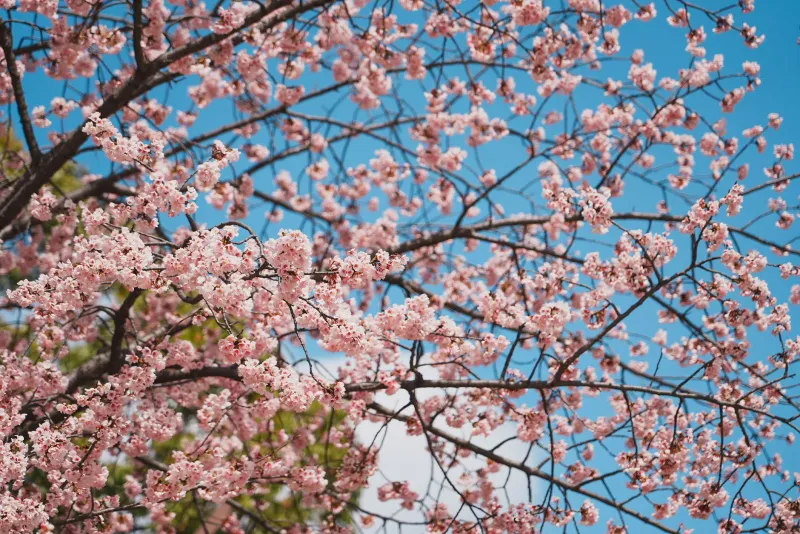
And if the cherry blossom is a symbol of anything, it's that the most beautiful moments are the ones you know are coming — and the ones you know won't last. That combination of anticipation and impermanence doesn't make the meal smaller. It makes it larger than the table it's served on.
The reservation isn't just logistics. It's the first course. And it turns out, it's a pretty good one.