Eating Alone Has Never Felt This Good: How Solo Dining at 36 Sakura Café Became a Quiet Revolution
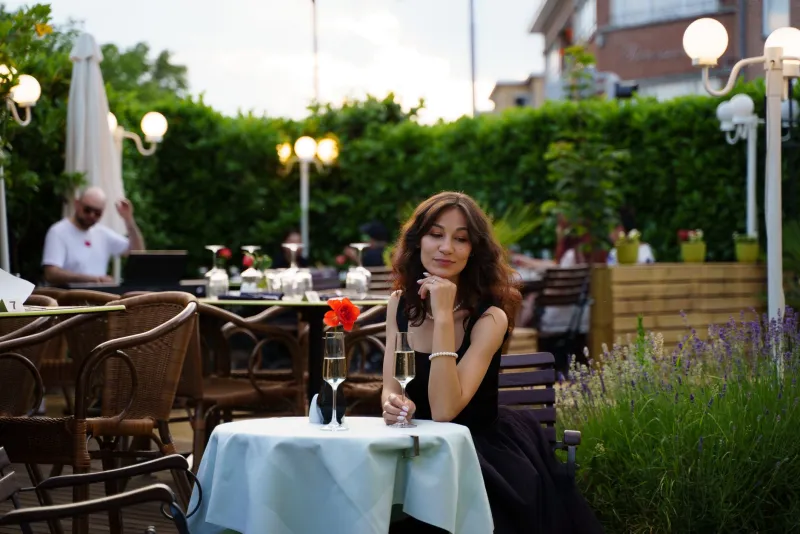
Not long ago, asking for a table for one carried a certain social weight. The apologetic smile at the host stand. The oversized booth you'd get shuffled into. The ambient awareness that everyone around you was dining together, and you were somehow the exception.
That story is changing — fast.
Across the country, a growing number of Americans are choosing to dine alone not because they have to, but because they want to. And in Japanese-inspired spaces like 36 Sakura Café, where the design, the pacing, and the entire philosophy already speak the language of intentional stillness, solo dining isn't just accepted. It's quietly becoming the point.
The Shift Nobody Saw Coming
Spend any time talking to regulars at 36 Sakura Café and a pattern starts to emerge. Many of them — a surprising number, actually — first booked a table for one almost on a whim. A birthday treat. A rough week at work. A deliberate break from a calendar packed with obligations.
Then they came back. And kept coming back.
"I think I booked it the first time because I just needed to be somewhere beautiful and quiet," says one regular who now reserves a solo table at least twice a month. "I wasn't expecting it to feel like something I actually needed in my life. But here we are."
This isn't an isolated story. Research from the NPD Group has shown that solo dining occasions in the U.S. have been climbing steadily for years — a trend that accelerated after the pandemic reshaped how Americans think about personal time and space. What used to feel like a consolation prize is increasingly being reframed as a form of self-care.
What Japanese Design Already Understood
Here's the thing: Japanese dining culture never really stigmatized eating alone the way Western culture did. Ramen counters, izakayas, and sushi bars have long been designed with the solo diner in mind — counter seating that faces a kitchen or a wall, portions sized for one, service that's attentive without being intrusive.
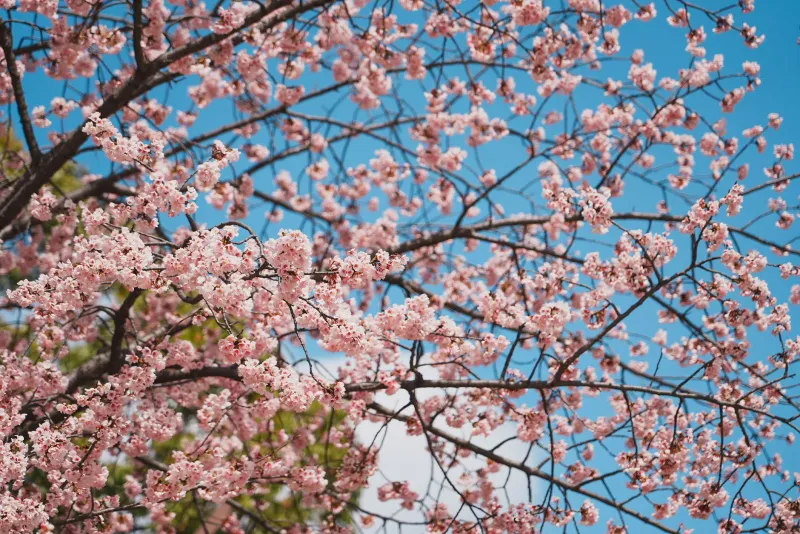
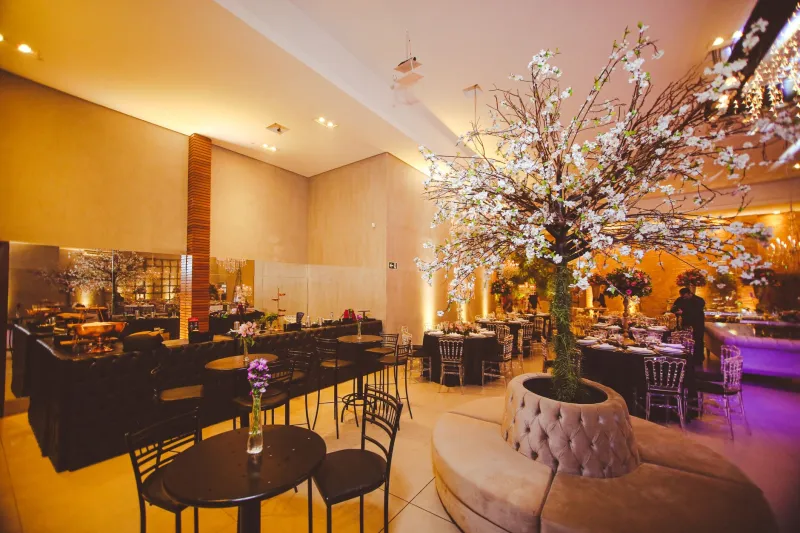
At 36 Sakura Café, that philosophy runs deep. The 36-seat format means every table gets genuine attention, but the pacing also creates natural pockets of quiet. You're not rushed. You're not performing. The sakura-inspired aesthetic — soft, seasonal, unhurried — does something to the nervous system that's hard to articulate but easy to feel.
There's even a Japanese concept that applies here: hitori jikan, which roughly translates to "time for oneself." It's not loneliness. It's the deliberate practice of being present in your own company. Dining alone in a space designed to slow you down becomes, almost automatically, an act of self-awareness.
What Your Brain Is Actually Doing
Neurologically, mindful solo dining hits differently than eating on autopilot — or eating while managing a conversation and a shared appetizer simultaneously.
When you eat alone and without distraction, your brain's default mode network quiets down. Attention narrows to the sensory experience in front of you: the temperature of the broth, the way a single sakura petal garnish shifts the color of the plate, the specific moment when a flavor blooms and then fades. This kind of focused sensory attention is closely linked to what researchers describe as a "flow state" — that absorbed, almost meditative quality of experience where time feels simultaneously slower and more vivid.
Mindful eating research from institutions like the Center for Mindful Eating has consistently found that eating with full attention (rather than distracted eating or social eating where the meal becomes secondary) improves meal satisfaction, reduces stress hormones, and even supports better digestion. The meal itself becomes the event, not the backdrop.
At 36 Sakura Café, the menu is designed with this in mind. Each course arrives with enough visual intention that it invites you to look before you eat. That pause — the few seconds of genuine appreciation before the first bite — turns out to be neurologically significant. It's the difference between consuming and experiencing.
The Pressure We're Finally Starting to Push Back On
American dining culture has long been built around the social meal. Dates, family dinners, work lunches, group celebrations — food has functioned primarily as a social glue, which is genuinely wonderful. But it also created an unspoken rule: eating alone is something you do when you have no other option.
That rule is fraying. Younger Americans especially are redefining solitude not as absence but as presence. Solo travel, solo movie-going, solo café mornings — these are increasingly positioned as acts of self-possession rather than isolation. Dining alone fits neatly into this broader cultural recalibration.
And there's something particularly powerful about doing it in a beautiful space. Choosing to sit alone at a table that deserves your full attention — rather than eating a sad desk lunch or scrolling through your phone at a fast-casual counter — reframes the entire experience. It says: I matter enough to do this properly.
What Regulars Actually Say
Ask the solo diners who've made 36 Sakura Café part of their routine and the language they use is telling. Words like "reset," "recharge," "sanctuary," and "ritual" come up again and again. One regular described it as "the only hour in my week where I'm not managing anyone else's experience."
Another mentioned that she started bringing a small notebook — not to work, but just to write down whatever thoughts arrived during the meal. "Something about being in that space makes me think more clearly," she said. "I don't know if it's the food or the quiet or the atmosphere. Probably all three."
This is, it turns out, exactly what the research would predict. Solitude in a calm, aesthetically rich environment is associated with increased self-reflection, creative thinking, and emotional regulation. The meal becomes a container for something larger than nutrition.
A Table That's Always Yours
At 36 Sakura Café, booking a table for one isn't a footnote — it's a full reservation, treated with the same care as any other. The 36-seat limit means your solo experience isn't squeezed into a corner or rushed through to free up space. You get the lighting, the service, the full arc of the meal.
There's something quietly radical about that. In a dining culture that often treats solo guests as logistical inconveniences, being welcomed as an intentional, valued diner changes the experience before you've even ordered.
Maybe that's the real reason people keep coming back. Not just for the food — though the food is genuinely worth the trip — but for the reminder that your own company is worth showing up for.
The cherry blossoms don't wait for an audience to bloom. Neither should you.