Timing Is Everything: Your Season-by-Season Guide to Dining at 36 Sakura Café
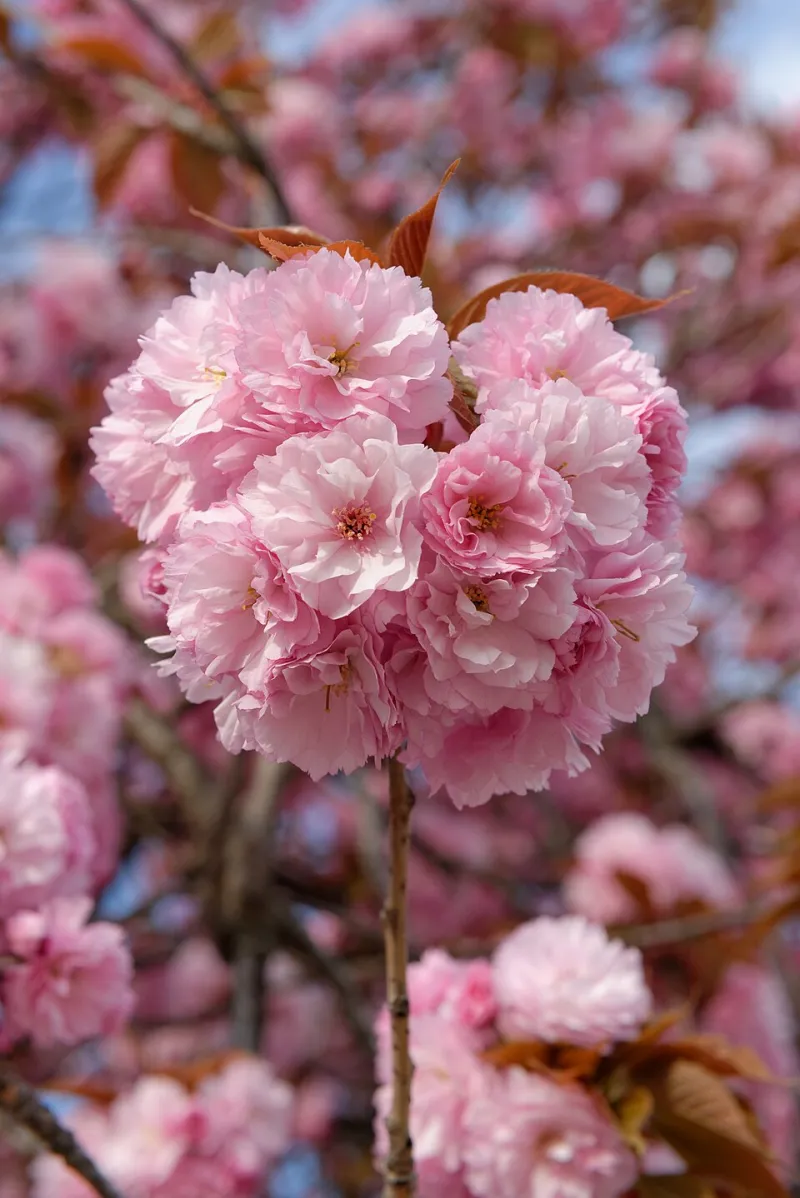
Photo: Marie-Lan Nguyen, CC BY 2.5, via Wikimedia Commons
There's a reason people in Japan track cherry blossom forecasts the way Americans track weather apps before a big outdoor event. The sakura bloom isn't just beautiful—it's fleeting, culturally loaded, and deeply tied to how people eat, gather, and mark the passage of time. At 36 Sakura Café, we've built our entire experience around that same philosophy. So if you want to get the most out of your visit, it helps to understand the rhythm we're working with.
Here's the thing: you don't have to fly to Kyoto to feel it. We bring those seasonal cues to you, right here in the States.
What "Hanami" Actually Means (And Why It Matters for Your Dinner)
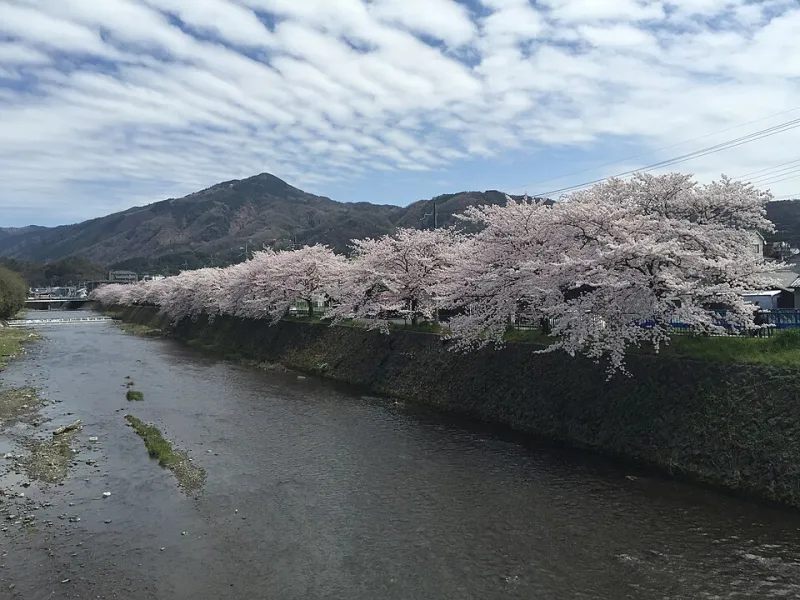
Hanami—literally "flower viewing"—is the Japanese tradition of gathering under blooming cherry trees to eat, drink, and appreciate the moment. It sounds simple, but the cultural weight behind it is significant. The Japanese concept of mono no aware, or the bittersweet awareness of impermanence, is front and center during sakura season. The blossoms last maybe two weeks. That's it. And that brevity is the whole point.
At 36 Sakura Café, we honor that idea by keeping our menu in genuine conversation with the seasons. We're not just swapping out a garnish—we're rethinking dishes, sourcing ingredients that align with what's actually in season, and adjusting the ambiance to reflect where we are in the year. That means your experience in early spring is going to feel noticeably different from a visit in late summer or winter, and that's entirely intentional.
Early Spring (Late February–March): The Anticipation Phase
Before the blossoms fully open, there's a kind of electric anticipation in the air—and honestly, it's one of our favorite times to dine. In Japan, this period is marked by the first tsubomi (buds) appearing on the branches, and the whole country starts buzzing.
At 36 Sakura Café, early spring is when we start introducing lighter, more delicate flavors after the heartier winter menu. Think dishes that lean on fresh yuzu, early mountain vegetables like fuki (butterbur), and subtle floral notes that hint at what's coming. The café itself gets a visual refresh too—you'll notice softer lighting, updated floral arrangements, and the first hints of our signature sakura décor cycling back in.
If you're someone who loves being ahead of the curve, this is your window. Reservations are easier to snag, the vibe is relaxed, and the kitchen team is genuinely excited about the new menu rollout.
Peak Bloom (April): The Main Event
Okay, yes—April is the big one. This is when 36 Sakura Café is operating at full sakura intensity, and it's worth planning ahead for. Reservations book up fast, especially on weekends, so if you have a specific date in mind, don't wait.
Our peak bloom menu leans into everything that makes this season iconic: sakura-infused sauces, seasonal wagashi (Japanese confections) that are almost too pretty to eat, and special beverage pairings that rotate week by week as we track bloom progress. We also go all-in on the ambiance—expect soft pink lighting, curated playlists, and table settings that genuinely feel like you're dining under a canopy of blossoms.
Pro tip: if you can swing a weeknight visit in early April, you'll catch the menu at its freshest and the atmosphere at its most serene. Weekend evenings are lively and festive, which is also great, just a different energy.
Late Spring (May): The Petal-Fall Moment
Here's a secret that seasoned sakura fans already know: the hanafubuki—the "flower blizzard" of falling petals—is arguably more magical than the bloom itself. In Japan, late April into May is when petals drift down like soft snow, and it carries its own distinct emotional weight.
At 36 Sakura Café, we mark this transition with menu shifts that reflect the season winding down. Richer umami profiles start coming back into play, and we introduce dishes that celebrate preservation and depth—things like pickled sakura blossoms, aged miso preparations, and warming broths that bridge spring and early summer. It's a quieter, more contemplative time to visit, and honestly one of the most underrated.
Summer (June–August): Cooling Down, Japanese Style
Japanese summer cuisine is a revelation if you haven't explored it. The focus shifts hard toward suzushii—coolness and refreshment. At 36 Sakura Café, summer means cold soba, chilled dashi-based dishes, shaved ice desserts (kakigori) with house-made sakura syrup, and a drinks menu that leans on iced matcha, yuzu sodas, and seasonal sake pairings.
The décor pulls back from the full bloom aesthetic and settles into something cleaner and more minimalist—think bamboo tones, soft greens, and a general sense of breathing room. It's a great time to bring someone who's new to Japanese cuisine, since the menu tends to be a bit more approachable and the restaurant isn't at peak capacity.
Fall (September–November): The Overlooked Gem
Fall doesn't get enough credit in the Japanese food calendar. Momiji season—when the maples turn red and gold—is visually stunning and culinarily rich. In Japan, autumn is peak season for matsutake mushrooms, Pacific saury, and sweet potato preparations that show up in everything from savory dishes to desserts.
At 36 Sakura Café, fall is when we get a little more adventurous. Earthy, complex flavors take center stage, and we introduce limited-run dishes that we genuinely look forward to all year. The ambiance shifts to warm amber and deep red tones, and the overall atmosphere feels cozy and intimate. If you love bold flavors and don't mind a bit of experimentation, fall is your season.
Winter (December–February): Quiet, Warm, and Worth It
Winter in Japan is nabe season—hot pot, warming soups, and communal dishes meant to be shared over a slow, unhurried meal. At 36 Sakura Café, we lean into that energy fully. Our winter menu features rich, warming preparations: house-made ramen, shabu-shabu-inspired dishes, and sake pairings that are specifically chosen to complement cold-weather eating.
The café in winter is calm, candlelit, and genuinely romantic. It's also when we start quietly planning the sakura season ahead—so if you're a regular, you might catch glimpses of what's coming next spring. Reservations in winter are the easiest to get, and the kitchen team has more bandwidth to really focus on each table's experience.
How to Book for Your Ideal Visit
A few practical notes: peak bloom reservations (late March through mid-April) should be made at least three to four weeks out, especially for Friday and Saturday evenings. Off-peak seasons offer much more flexibility, and walk-ins are often possible on weeknights.
When you book, mention any dietary needs or special occasions—our team genuinely uses that information to customize your experience, not just flag an allergy on a ticket.
However you time it, there's no wrong season to visit 36 Sakura Café. Every petal really does tell a story—you just get to choose which chapter you walk into.