No Stress, No Fuss: The Real Etiquette Guide for Your First Japanese Dining Experience

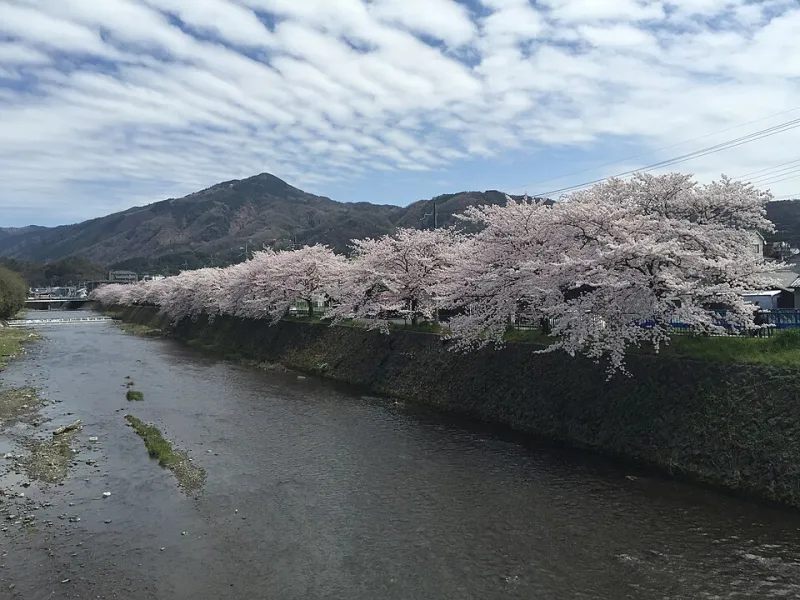
Photo: Chongkian, CC BY-SA 4.0, via Wikimedia Commons
Let's get something out of the way immediately: you are not going to accidentally offend anyone at 36 Sakura Café by holding your chopsticks wrong. That fear—the low-grade anxiety that you'll commit some unforgivable cultural blunder before the appetizers even arrive—is one of the biggest things that keeps American diners from fully relaxing and enjoying Japanese cuisine. And it's mostly unfounded.
That said, there are a handful of customs worth knowing. Not because you'll be judged for skipping them, but because understanding them genuinely deepens the experience. Think of this less as a rulebook and more as a cheat sheet for feeling at home.
The Greeting Ritual: It's Simpler Than You Think
When you walk into 36 Sakura Café, you'll likely be greeted with irasshaimase—a warm welcome that's standard in Japanese hospitality. You don't need to say anything back. A smile and a nod are completely appropriate. You're not expected to respond in Japanese, and no one is testing you.
The bow is another thing Americans sometimes tie themselves in knots over. In a restaurant context in the US, a small, natural nod of acknowledgment is more than enough. Deep, formal bowing is reserved for very specific social situations that are unlikely to come up over a bowl of ramen. Relax.
Oshibori: That Warm Towel Isn't a Napkin
When you're seated, you'll probably receive a small rolled towel—either warm or cool depending on the season. This is an oshibori, and it's for cleaning your hands before the meal. Use it on your hands, set it aside, and don't use it to wipe your face or the table. That's genuinely the whole rule. It's a small gesture of hospitality that feels lovely once you know what it's for.
Chopsticks: The Basics Without the Anxiety
Yes, there are a few chopstick customs worth knowing, but they're easy and make intuitive sense once you hear the reasoning behind them.
Don't stick chopsticks upright in rice. This one has real cultural weight—it mirrors a funeral ritual in Japan, so it reads as genuinely off-putting. Just rest them on the chopstick holder (hashioki) or across your bowl when you're not using them.
Don't pass food chopstick-to-chopstick. Same reason—it echoes a funeral ceremony involving bone fragments. Pass the dish itself, or use serving chopsticks if they're provided.
Don't spear your food. Chopsticks are for picking up, not stabbing. If you're struggling with a piece of food, it's completely fine to ask for a fork. We promise nobody will make it weird.
Beyond those three things? Use them however works for you. There's no single "correct" grip that all Japanese people use, and nobody at the table is grading your form.
Pouring Drinks: The Social Shorthand
In Japanese dining culture, you generally pour for others rather than for yourself. If someone at your table has an empty glass, offering to refill it is a natural, warm gesture. They'll likely return the favor. It's less a rigid rule and more a built-in way of keeping the meal communal and attentive.
If you're drinking sake, the same principle applies. You'll often see small ceramic cups (ochoko) used, and the back-and-forth of pouring for each other is genuinely one of the nicer social rituals in Japanese dining. At 36 Sakura Café, our servers are happy to walk you through sake pairings and pouring customs if you want the full experience.
Slurping: Yes, It's Actually Fine
This one surprises a lot of Americans. In Japan, slurping noodles—ramen, soba, udon—is not rude. It's actually considered a sign that you're enjoying the food, and there's a practical argument that it cools the noodles as you eat them. You don't have to slurp loudly to prove a point, but you also don't need to eat your ramen in tortured silence trying to suppress every sound. Eat comfortably.
Saying "Itadakimasu" and "Gochisousama"
These two phrases are worth knowing, not because you're required to use them, but because they're genuinely meaningful and kind of beautiful.
Itadakimasu (ee-tah-dah-kee-mah-su) is said before eating—it loosely translates to "I humbly receive" and is a moment of gratitude for the food, the people who prepared it, and the ingredients themselves. Gochisousama (go-chee-so-sama) is said after the meal as a thank-you to whoever cooked. You'll sometimes hear our staff say these, and if you want to join in, it's always warmly received.
Neither is mandatory. But if you're the kind of person who appreciates the ritual of a meal, these small phrases add something real.
Splitting the Check and Tipping
In Japan, tipping is not customary and can occasionally be perceived as awkward. At 36 Sakura Café in the US, we operate within American service norms—our staff genuinely appreciates tips, and standard tipping practices apply. No cultural conflict here; we're a Japanese-inspired restaurant on American soil, and we're not going to pretend otherwise.
As for splitting the check: just ask. We're set up to handle it.
The One Thing That Actually Matters Most
Here's the honest truth about Japanese dining culture, from a hospitality perspective: the most important thing is not the chopstick angle or whether you bowed at the right depth. It's omotenashi—the concept of wholehearted hospitality and genuine presence.
In practice, that means being present at the table. Put your phone down for a few minutes. Notice the food. Engage with the people you came with. Say thank you to your server and mean it. That spirit of mutual attentiveness and respect is at the core of what makes Japanese dining feel special—and it's something you can bring to the table without memorizing a single rule.
At 36 Sakura Café, we've designed every part of the experience to meet you where you are. You don't need to arrive as an expert. You just need to arrive curious, and we'll take care of the rest.
A Quick Reference Before You Go
- Do use the oshibori to clean your hands before eating
- Do pour drinks for others at the table
- Do rest chopsticks on the holder when not in use
- Don't stick chopsticks upright in rice
- Don't pass food chopstick-to-chopstick
- Do slurp your noodles without guilt
- Do tip your server—this is still the US
- Most importantly: relax and enjoy it
Japanese cuisine is generous, layered, and genuinely fun to explore. The customs around it exist to enhance that experience, not gatekeep it. Come hungry, come curious, and let the blossoms do the rest.