Beyond the Latte: 5 Ways Sakura Petals Show Up in Japanese Cooking That Will Genuinely Surprise You
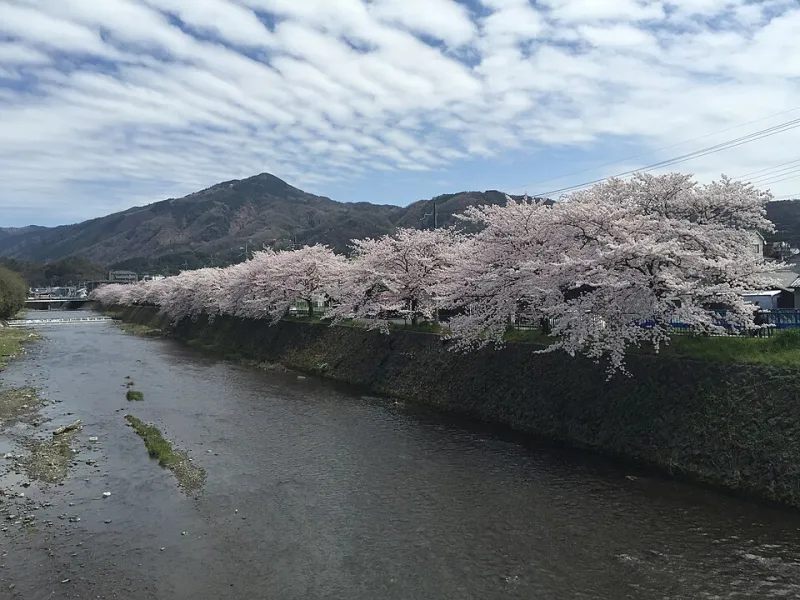
Photo: Hahifuheho, CC0, via Wikimedia Commons
Okay, real talk: if someone says "sakura" and the first thing that pops into your head is a pink Starbucks drink, you're not alone. Cherry blossom-flavored lattes and pastel-hued desserts have done a lot of the heavy lifting when it comes to introducing American consumers to sakura as a flavor. And honestly? Those drinks are delicious. No shame.
But they're also just the opening act.
In Japanese culinary tradition, sakura — the blossoms and the leaves — shows up in ways that are more complex, more surprising, and frankly more interesting than most Western diners ever get to see. At 36 Sakura Café, we've built our entire menu around the idea that cherry blossom isn't just a garnish or a seasonal gimmick. It's a genuine ingredient with real depth. So let's dig in.
1. Sakura Salt: The Finishing Touch That Changes Everything
If you only take one thing from this article, let it be this: sakura salt deserves a spot in your pantry.
Made by blending finely ground dried cherry blossoms with flaky sea salt — sometimes with a touch of citric acid to brighten the flavor — sakura salt is one of those ingredients that sounds simple but punches way above its weight. The blossom adds a subtle floral note and a faint, almost almond-like sweetness that doesn't overwhelm food so much as it lifts it.
In Japanese cooking, it's used as a finishing salt — the kind you add right before serving, not during cooking. Think of it the way you'd use a really good Maldon flake on a steak, except instead of just salinity, you're also getting fragrance and a whisper of spring.
Where does it shine? Pretty much everywhere. Sprinkled over a bowl of plain white rice, it transforms something humble into something lovely. It works beautifully on grilled fish, on edamame, and on the rim of a cocktail glass. We use it at 36 Sakura Café on several dishes where we want to echo the blossom theme without making it the loudest thing on the plate.
Try it at home: Sakura salt is available at most Japanese grocery stores and on Amazon. Start by using it anywhere you'd reach for flaky finishing salt and see what happens.
2. Sakura-Infused Broth: Floral Meets Umami
This one surprises people every time. The idea of adding cherry blossoms to a savory broth sounds like it might be too precious, too delicate — like it would just disappear into the background noise of a rich stock. In practice, it does something much more interesting.
The technique typically involves adding preserved sakura blossoms (salt-pickled, then briefly rinsed) to a dashi base — Japan's foundational broth made from kelp and dried bonito flakes. The result is a broth that carries all the umami depth you'd expect from dashi, but with a floral lift that's genuinely distinct. It's not sweet. It's not perfumy. It's just... more layered than plain dashi, with a finish that lingers in a pleasant way.
This style of broth is often served during spring in Japan as a osuimono — a clear soup meant to be savored slowly, usually in small lacquered bowls. It's the kind of dish that makes you stop talking mid-sentence because you're suddenly too focused on what you're tasting.
The flavor profile here is worth understanding: sakura, when used in savory applications, reads more like a subtle herbaceous note than a flower. There's a faint brininess from the salt-preservation process that actually reinforces umami rather than fighting it. It's one of those combinations that makes no logical sense until you taste it, and then it makes complete sense.
3. Sakura Leaf Preservation: The Wrapper That Flavors from the Outside In
Here's where things get really interesting — and where a lot of Western diners discover that sakura leaf is actually a distinct ingredient from the blossom itself.
In Japan, cherry blossom leaves are harvested in spring, layered with salt, and left to ferment for several months. The result is a soft, pliable, deeply aromatic leaf that smells intensely of coumarin — a naturally occurring compound that gives the leaf its characteristic warm, slightly vanilla-adjacent fragrance. It's the same compound found in tonka beans and sweet grass, if that helps place it.
The most famous use of preserved sakura leaf is sakura mochi — a pink-tinted sweet rice cake wrapped in one of these leaves. The leaf isn't just packaging. It infuses the mochi with its fragrance as the two sit together, and many people eat the leaf along with the cake. The combination of sweet, slightly sticky mochi and the salty, aromatic leaf is one of the most distinctly Japanese flavor experiences you can have.
But the leaf shows up in other places too — wrapped around rice, used to line serving dishes, or incorporated into more contemporary preparations where a chef wants that coumarin note without the visual presence of a flower.
Worth knowing: The flavor of sakura leaf is more pronounced and longer-lasting than the blossom. If you're new to sakura as an ingredient, trying a piece of sakura mochi with the leaf intact is genuinely one of the best ways to understand what the ingredient can do.
4. Sakura in Savory Appetizers: Think Beyond Dessert
The assumption that sakura is a dessert ingredient is understandable — most of the sakura-flavored products that reach American consumers are sweet. But in contemporary Japanese cuisine, and increasingly in Japanese-American restaurants, cherry blossom is showing up in savory starters in ways that are genuinely exciting.
Some examples worth knowing about:
- Sakura-cured fish: Thin slices of white fish or salmon briefly cured with sakura salt and citrus, then served with pickled vegetables. The floral note plays beautifully against the acidity of the pickle.
- Sakura tofu: Silken tofu infused with a light sakura broth, served chilled with a drizzle of sesame oil. Simple, elegant, and surprisingly complex in flavor.
- Sakura tempura: Yes, actual cherry blossoms, battered and fried. The result is a delicate, lacy fritter with a faint floral flavor — more textural than anything else, but undeniably beautiful and genuinely tasty.
At 36 Sakura Café, we think about sakura in savory applications as a way of connecting the meal to the season — a thread that runs through the menu rather than appearing only at dessert.
5. Sakura Tea Pairings: Matching the Blossom to the Bowl
Finally, let's talk about sakura in beverages — but not the lattes. We're talking about traditional sakura tea pairings, which is its own quiet art form.
Sakurayu — literally "cherry blossom hot water" — is made by steeping a preserved sakura blossom in hot water. It's served at Japanese weddings and celebrations, and the presentation is part of the point: the salted blossom slowly opens in the glass as it rehydrates, unfurling into a full flower right before your eyes. The flavor is mild, lightly floral, and just salty enough to be interesting.
Beyond sakurayu, cherry blossom plays well with specific tea varieties in ways that are worth exploring:
- With hojicha: The roasted, slightly smoky notes of hojicha create a compelling contrast with sakura's delicacy. It's a pairing that feels grounding — earthy and floral at once.
- With gyokuro: This high-grade green tea has a natural sweetness and umami that complements sakura without competing with it.
- With white tea: Perhaps the most intuitive pairing — white tea's light, honeyed character lets sakura lead without interference.
If you're dining at a Japanese restaurant this spring, asking about sakura tea pairings with your meal is a great way to extend the seasonal experience beyond the food itself.
Sakura season is short — that's kind of the whole point. But within that brief window, there's an enormous amount of flavor, tradition, and culinary creativity to explore. Whether you're cooking at home or letting someone else do the work, we hope this gives you a few new ways to think about one of spring's most iconic ingredients.
Curious how we use sakura across our menu? Take a look at what's in season at 36sakuracafe.com — and if something catches your eye, you can grab a reservation right there.