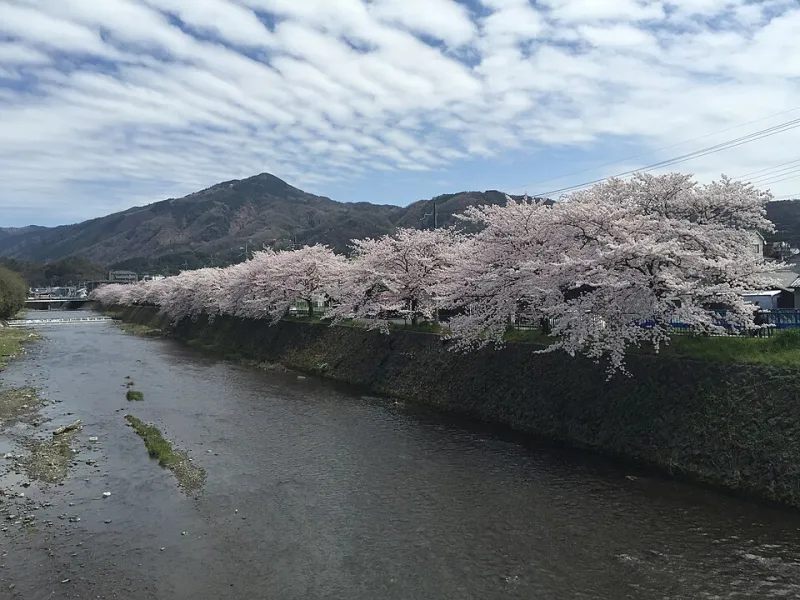
Blossoms on the Table: How Cherry Blossom Season Became America's Newest Food Obsession
Photo: Susanne Nilsson, CC BY-SA 2.0, via Wikimedia Commons
Every spring, something shifts. The air gets a little warmer, the days stretch a little longer, and suddenly your Instagram feed fills up with soft pink clouds of cherry blossoms. But lately, those photos aren't just scenic shots from Washington D.C.'s Tidal Basin or Central Park. They're also filled with sakura lattes, blossom-dusted mochi, and beautifully plated meals enjoyed al fresco beneath flowering branches. Welcome to hanami dining — and yes, it's very much having a moment in America.
At 36 Sakura Café, we think about this tradition a lot. It's actually baked right into our name. The number 36 is a nod to the classic Japanese woodblock print series that celebrated nature's fleeting beauty, and sakura — well, that part speaks for itself. So when we say cherry blossom season is a big deal around here, we mean it on a pretty deep level.
What Hanami Actually Means (And Why It Matters)
The word hanami literally translates to "flower viewing," but calling it that feels a little like describing Thanksgiving as "turkey eating." Sure, that's part of it — but the heart of hanami is something richer. It's about pausing. It's about acknowledging that beautiful things don't last forever, and choosing to be fully present while they do.
In Japan, the tradition stretches back over a thousand years. Imperial courts would gather beneath blossoming trees in the 8th century, composing poetry and sipping sake. Over the centuries, hanami became more democratic — a celebration for everyone, not just the aristocracy. Today, Japanese families and friends spread out tarps under sakura trees in public parks, unpack elaborate bento boxes, share warm sake or cold beer, and simply enjoy being together.
The food has always been central. Traditional hanami spreads include sakura mochi (sweet rice cakes wrapped in pickled cherry blossom leaves), onigiri (rice balls), and seasonal treats tinted soft pink in honor of the blossoms overhead. The meal isn't incidental — it's the whole point.
How American Diners Are Catching On
For a long time, cherry blossom appreciation in the U.S. was mostly a visual experience. People visited the National Cherry Blossom Festival in Washington D.C. (now one of the largest springtime events in the country), snapped their photos, and moved on. The culinary dimension was largely missing from the American version of the story.
That's changing fast. Over the past several years — and especially since 2020, when outdoor dining became not just trendy but necessary — American food culture has started to embrace the idea of seasonal, occasion-driven eating in a much more intentional way. Restaurants from Seattle to Miami are rolling out limited-run sakura menus each spring. Specialty grocers stock sakura-flavored products from March through early May. Food festivals are building entire programming tracks around Japanese spring cuisine.
Part of this is driven by a broader American appetite (pun very much intended) for global food experiences. Diners today, especially millennials and Gen Z, aren't just looking for good food — they're looking for meaning behind the meal. Hanami delivers that in abundance.
What a Modern Hanami Dining Experience Looks Like
If you've never experienced a hanami-inspired meal, here's the good news: you don't need to book a flight to Tokyo. A growing number of Japanese restaurants across the U.S. are curating experiences that honor the tradition while making it accessible to Western diners.
At its best, a modern hanami dining experience combines a few key elements:
Seasonal ingredients. Sakura — the blossoms themselves, preserved in salt, steeped into syrups, or dried for garnish — should feature prominently. Look for menus that incorporate sakura in unexpected ways, not just as decoration but as a genuine flavor component. (More on that in a bit.)
A sense of occasion. Hanami is inherently celebratory. The best restaurants lean into this with thoughtful table settings, curated playlists, and pacing that encourages guests to linger rather than rush.
Communal eating. Traditional hanami is a group activity, and the food reflects that — shareable dishes, family-style platters, and menus designed for conversation. If a restaurant is offering a hanami experience, look for formats that invite sharing.
Seasonal beverages. From sakura sake to cherry blossom-infused cocktails and house-made sakura teas, drinks are a major part of the ritual. Don't skip them.
Planning Your Own Sakura-Inspired Dining Moment
Maybe you want to recreate a bit of hanami magic at home, or maybe you're planning a special outing and want to get the most out of it. Either way, a little intention goes a long way.
For home cooks: Start simple. Sakura salt (available at most Asian grocery stores and online) is an easy, beautiful way to bring the flavor of cherry blossoms into your cooking. Sprinkle it over rice, use it to rim a cocktail glass, or dissolve it into a simple syrup for desserts. Pick up some sakura mochi from a local Japanese bakery if you can find one — it's the most direct link to traditional hanami food and genuinely delicious.
For restaurant-goers: Do a little research before you book. Not every Japanese restaurant offers a dedicated sakura menu, but many do during peak blossom season (roughly late March through mid-April in most parts of the U.S., though this varies by region). Ask specifically about seasonal specials, and don't be afraid to request a table by a window or on a patio if the restaurant has outdoor space.
For the full experience: Pack a picnic. Find a park with cherry blossom trees — the National Cherry Blossom Festival website actually has a guide to blossom viewing spots across the country — and put together a spread inspired by traditional hanami bento. Think rice-based dishes, light salads, pickled vegetables, sweet treats, and something to sip. Bring a blanket, leave your phone in your pocket for at least part of the time, and just... be there.
Why This Tradition Resonates Right Now
There's something deeply appealing about a food tradition built around impermanence. Cherry blossoms only last a week or two. You can't schedule around them perfectly. You have to show up when they're ready, not when it's convenient.
In a food culture that increasingly celebrates year-round availability of everything, hanami offers a gentle counter-argument. Some things are worth waiting for. Some meals are better because they can't happen every day.
That's the philosophy behind 36 Sakura Café — the idea that dining is most meaningful when it's connected to something larger than the meal itself. Whether you're a longtime fan of Japanese cuisine or just starting to explore it, cherry blossom season is a beautiful entry point. Pull up a chair. The petals won't wait forever.
Ready to experience hanami dining for yourself? Explore our seasonal menu and reserve your table at 36sakuracafe.com.