Less Is More on the Plate: How Japanese Minimalism Is Quietly Changing the Way American Chefs Cook
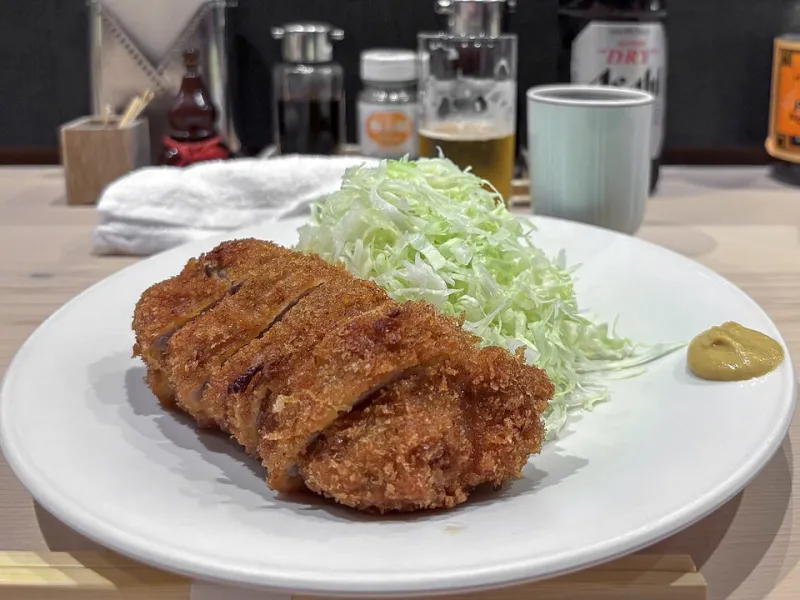
Photo: Dale Cruse from San Francisco, CA, USA, CC BY 2.0, via Wikimedia Commons
There's a moment that happens sometimes at 36 Sakura Café — right after a dish is set in front of you. The plate isn't crowded. There's open space around whatever's been placed there. And instead of feeling like something's missing, you feel like you're being invited to actually look.
That feeling has a name in Japanese culture. It's called ma — and it's one of the most quietly influential ideas making its way into American restaurant kitchens right now.
What 'Ma' Actually Means (And Why It's Not Just About Food)
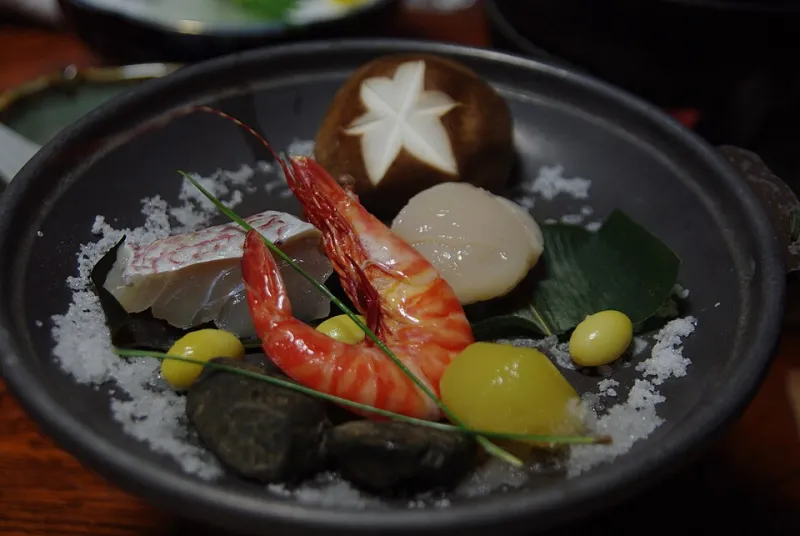
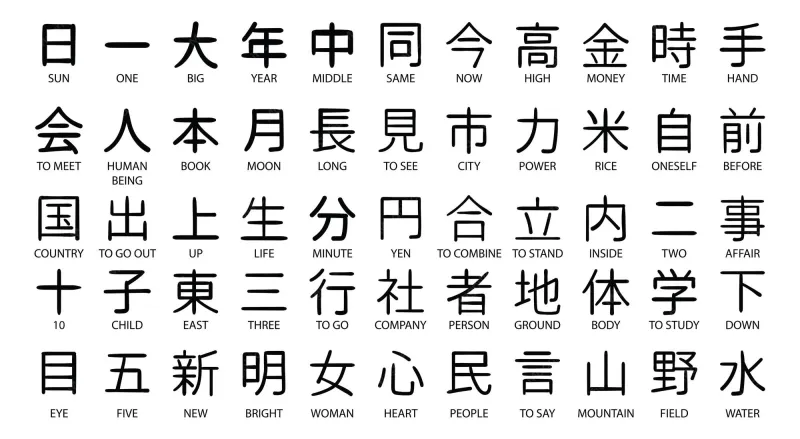
Ma (間) is a Japanese concept that roughly translates to negative space, pause, or interval. It shows up in architecture, music, visual art, and conversation. In Japanese aesthetics, the empty space between things isn't a void — it's an active element. It carries meaning. It lets everything else breathe.
In cooking, ma translates to restraint. It means choosing not to add the fourth sauce, not filling every corner of the plate, not layering flavor on top of flavor just because you can. It's the deliberate decision to let one ingredient speak clearly instead of making ten ingredients shout over each other.
For chefs trained in the American tradition — where abundance is often equated with generosity and a loaded plate signals value — this is genuinely counterintuitive. But more and more, they're coming around to it.
The American 'More Is More' Default
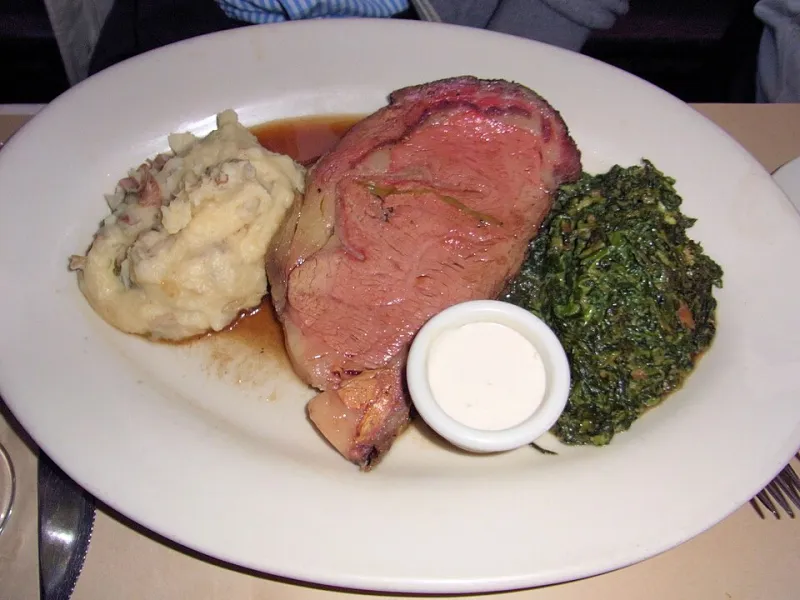
American dining culture has long celebrated bigness. Portion sizes, flavor intensity, variety on a single plate — these have historically been markers of a good meal. Think of the classic steakhouse approach: the steak, the potato, the creamed spinach, the bread, the sauce, all arriving together in a kind of organized abundance. Or the gastropub burger stacked so high it requires architectural support.
None of that is bad, exactly. But it does reflect a particular assumption: that more input equals more satisfaction.
Japanese culinary philosophy starts from a different premise entirely. The goal isn't to give diners the most — it's to give them exactly what they need to experience something fully. That might mean three components on a plate instead of seven. It might mean a broth that tastes like it's made from just water and time. It might mean a dessert so simple it makes you stop mid-bite and try to figure out why it's so good.
How 36 Sakura Café Puts This Into Practice
At 36 Sakura Café, the influence of ma shows up in ways that are easy to feel but harder to immediately articulate. The menu doesn't overwhelm. Dishes are built around a clear focal ingredient — often something seasonal, sometimes sakura-inspired — with supporting elements chosen to highlight rather than compete.
The plating follows the same logic. There's intentional space on each dish. Sauces are applied with precision rather than poured. A single cherry blossom petal, placed just so, does more visual work than a scattered handful ever could. The restraint isn't minimalism for minimalism's sake — it's a way of directing your attention. The plate is telling you where to look, what to taste first, what the experience is actually about.
This approach also affects how the kitchen operates. Fewer components means each one has to be exceptional. There's nowhere to hide a mediocre element behind a busier presentation. That accountability, it turns out, pushes quality in a very specific direction.
What American Chefs Are Learning From This
Chefs across the country who've spent time studying Japanese culinary techniques — whether through travel, formal training, or simply eating at restaurants that practice this philosophy — tend to describe a similar shift in how they think about building a dish.
The first thing many notice is how much easier it becomes to identify what a dish is actually about when you strip it down. When you're working with fewer ingredients, the question "what is the point of this dish?" becomes unavoidable — and answering it clearly makes everything else fall into place.
The second thing is how differently diners respond. Plates that feel considered, that have breathing room, tend to create a different kind of attention at the table. People slow down. They taste more carefully. They notice things. That shift in the diner's experience is exactly what ma is designed to create.
Some chefs describe it as learning to trust their ingredients. American cooking has sometimes relied on technique and layering to compensate for produce or proteins that aren't quite at peak quality. Japanese minimalism demands that the ingredient itself carry the dish — which means sourcing becomes everything, and preparation becomes about preservation rather than transformation.
The Hardest Part: Unlearning
For many American cooks, the challenge isn't learning to cook with restraint. It's unlearning the anxiety that comes with it. There's a deeply ingrained instinct that an empty plate corner looks unfinished, that a simple dish looks lazy, that a diner who paid good money deserves more stuff on their plate.
Overcoming that instinct requires a kind of confidence — a trust that the diner will meet you where you are, that they'll recognize intentionality when they encounter it. And increasingly, American diners are doing exactly that. The success of omakase-style dining, the growing appreciation for kaiseki traditions, the way cherry blossom season has turned into a genuine cultural moment around food — all of it suggests that American palates are ready for this conversation.
Why This Matters Beyond the Restaurant
There's something worth sitting with here that goes beyond technique or plating theory. The philosophy of ma is ultimately about attention — about creating the conditions for someone to be fully present with an experience rather than just consuming it.
In a food culture that often moves fast, where the next dish or the next restaurant or the next viral food trend is always a scroll away, the idea of a meal that asks you to slow down and actually be there is genuinely radical.
That's what draws people back to places like 36 Sakura Café. Not just the food — though the food is the point — but the feeling of having been somewhere that treated the meal as something worth paying attention to. The empty space on the plate isn't nothing. It's an invitation.
And once you've experienced a dish built around that philosophy, a cluttered plate can start to feel like noise.