Why American Diners Are Falling Hard for the Japanese Art of Being Taken Care Of

Photo: Japanese restaurant interior warm lighting cherry blossom elegant dining, via img.freepik.com
There's a moment that happens pretty consistently for first-time guests at 36 Sakura Café. It's not when the food arrives — though that's certainly memorable. It's usually something quieter. A server who notices a water glass getting low before you do. A host who remembers that you mentioned a preference when you booked. A small, folded card on the table explaining the story behind the sakura branch centerpiece. It's nothing dramatic, but it lands differently than most dining experiences in the US.
That feeling has a name in Japan: omotenashi. And it's becoming one of the most talked-about concepts in American restaurant culture right now.
What Omotenashi Actually Means (And Why It's Not Just Good Service)
The word gets thrown around a lot these days, but it's worth slowing down to understand what it actually points to. Omotenashi — roughly translated as wholehearted hospitality — isn't a checklist of service behaviors. It's a philosophy rooted in anticipating needs before they're expressed, in treating guests with a kind of quiet, unobtrusive care that never asks for acknowledgment.
In Japan, this shows up everywhere from high-end kaiseki restaurants to tiny ramen counters. The server doesn't hover, but they're never absent. The space is designed so that you feel held by it, not just seated in it. There's a sense that someone thought carefully about your experience long before you walked through the door.
Compare that to the standard American dining script — the check-back every few minutes, the performative enthusiasm, the rush to turn the table — and you start to understand why something feels different when omotenashi is done well.
How 36 Sakura Café Brings This Philosophy to a US Audience
At 36 Sakura Café, omotenashi isn't a marketing tagline. It's baked into how the restaurant actually operates. The design of the space — the soft lighting, the cherry blossom motifs, the deliberate quiet of the dining room — is meant to signal from the moment you arrive that this is a place where you can exhale.
Staff training here goes well beyond menu knowledge. Team members are encouraged to read the room, to notice when a table is celebrating something or when a guest seems uncertain about what to order, and to respond in ways that feel personal without being intrusive. The goal isn't efficiency. It's attentiveness.
Even the booking process reflects this thinking. When you reserve a table at 36 Sakura Café, you're invited to share any preferences or occasions — and that information actually gets used. It's a small thing, but it's the kind of small thing that makes people come back.
The Broader Shift Happening Across American Dining
What's happening at 36 Sakura Café isn't happening in isolation. Across the country, a growing number of restaurants are moving away from the high-energy, high-volume model that dominated American dining for decades. Chefs and restaurateurs are looking to Japanese design principles — negative space, natural materials, seasonal awareness — to create environments that feel more intentional.
In cities like New York, Los Angeles, Chicago, and Seattle, you can see this influence in the interiors of new restaurant openings: warm wood tones, minimal clutter, lighting that flatters rather than performs. Some of this is pure aesthetics, sure. But the best examples go deeper, drawing on a genuine curiosity about why Japanese hospitality feels so different and what American restaurants can actually learn from it.
Food media has noticed too. Publications like Eater and The New York Times have spent the last few years documenting a kind of hospitality fatigue among American diners — a growing exhaustion with service that feels scripted or transactional. Into that gap, Japanese-influenced dining experiences have stepped, and they're resonating.
Why This Moment Is Happening Now
A few things are converging. Travel to Japan has surged in recent years, and Americans who've visited come home with a recalibrated sense of what a restaurant experience can be. Social media has made the visual and emotional qualities of dining more shareable and more sought-after. And after several years of disruption in the restaurant industry, both diners and operators are asking harder questions about what actually makes a meal worth having.
There's also something happening culturally around slowness. The appeal of a dining experience that doesn't rush you, that treats the meal as something worth lingering over, is hitting differently in a moment when most of American life feels relentlessly accelerated. Japanese dining culture — with its emphasis on seasonal ingredients, careful presentation, and unhurried pacing — offers a kind of counterweight to that.
What This Means for the Future of Eating Out
None of this means American restaurants are about to become Japanese restaurants. Cultural exchange doesn't work like a copy-paste. But the influence is real, and it's growing. The principles behind omotenashi — genuine attentiveness, thoughtful environments, respect for the guest's time and experience — translate across cultural contexts when they're applied with care rather than appropriation.
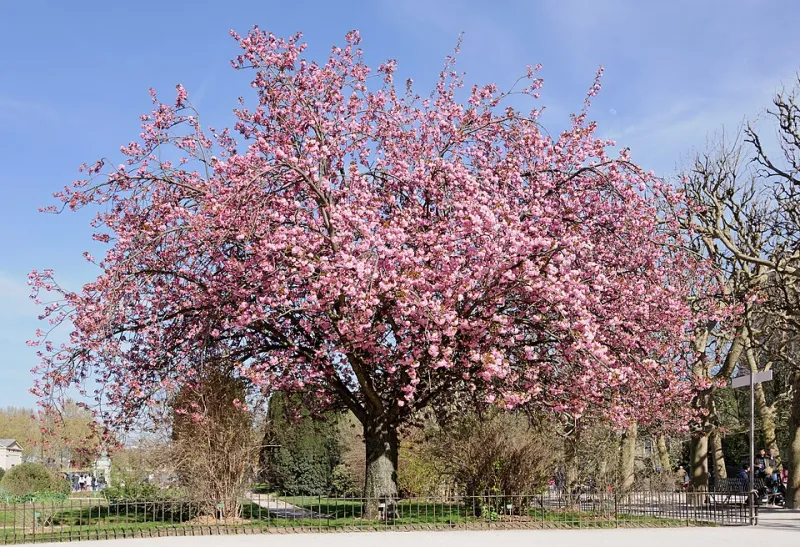
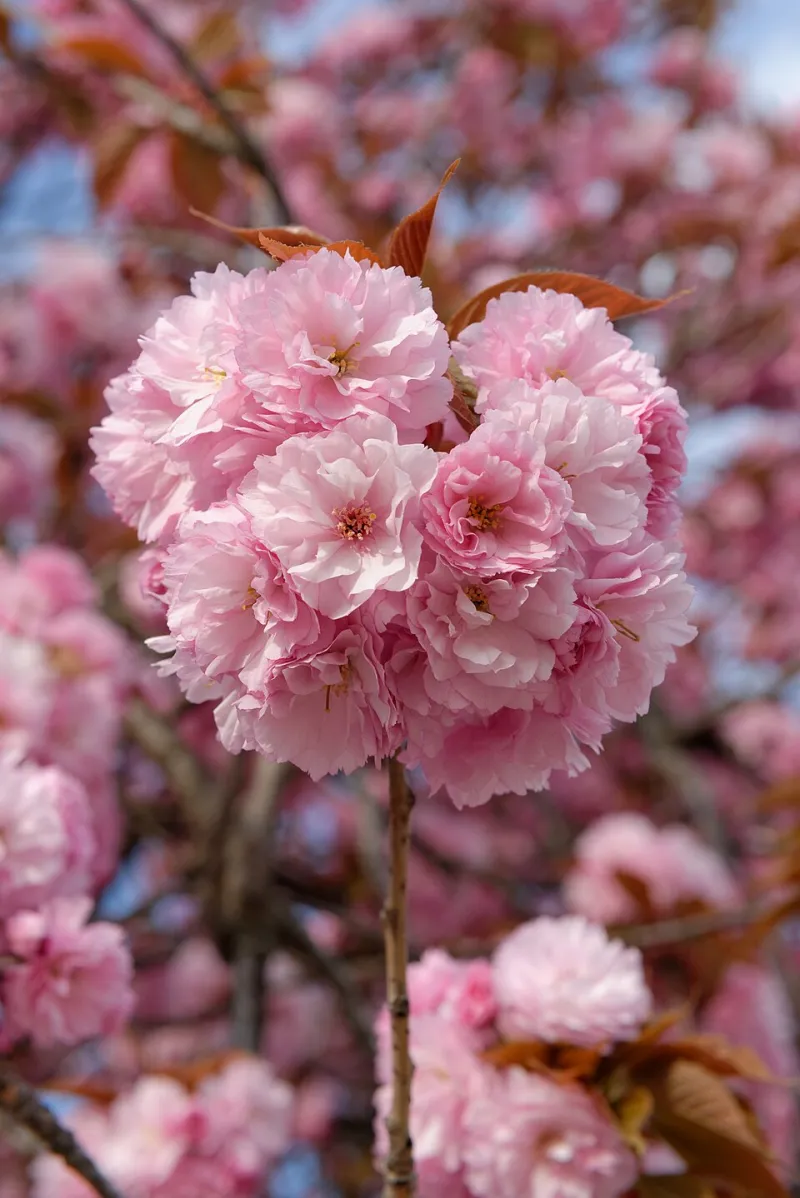
At 36 Sakura Café, the cherry blossom theme isn't just decoration. It's a reminder that the best experiences are fleeting, worth paying attention to, and made more meaningful by the care that goes into them. That's a philosophy that resonates whether you've ever been to Japan or not.
And increasingly, it's what American diners are looking for every time they decide where to spend an evening.