Eating with Intention: How Cherry Blossom Dining Became a Surprising Path to Feeling Better
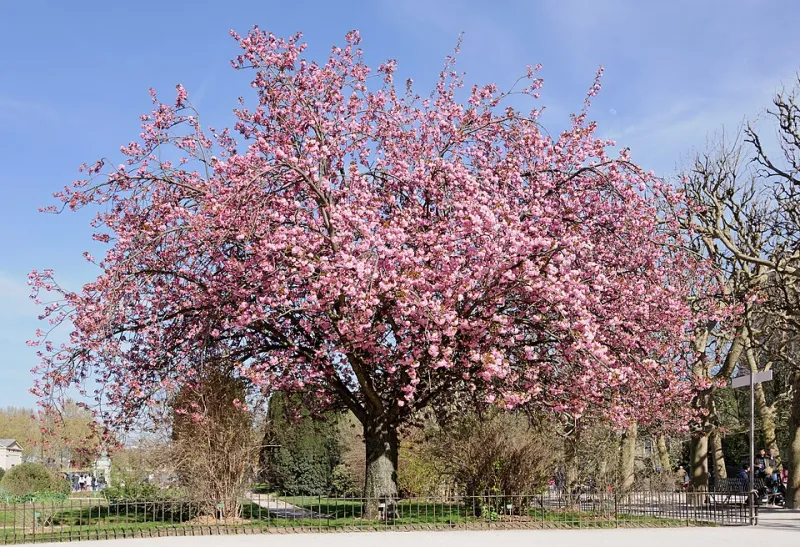
Photo: Myrabella, CC BY-SA 3.0, via Wikimedia Commons
Wellness trends in America tend to arrive with a lot of noise. Celery juice. Adaptogen lattes. Fourteen-step morning routines. They show up everywhere at once, get written about obsessively, and then slowly fade into the background until the next thing comes along.
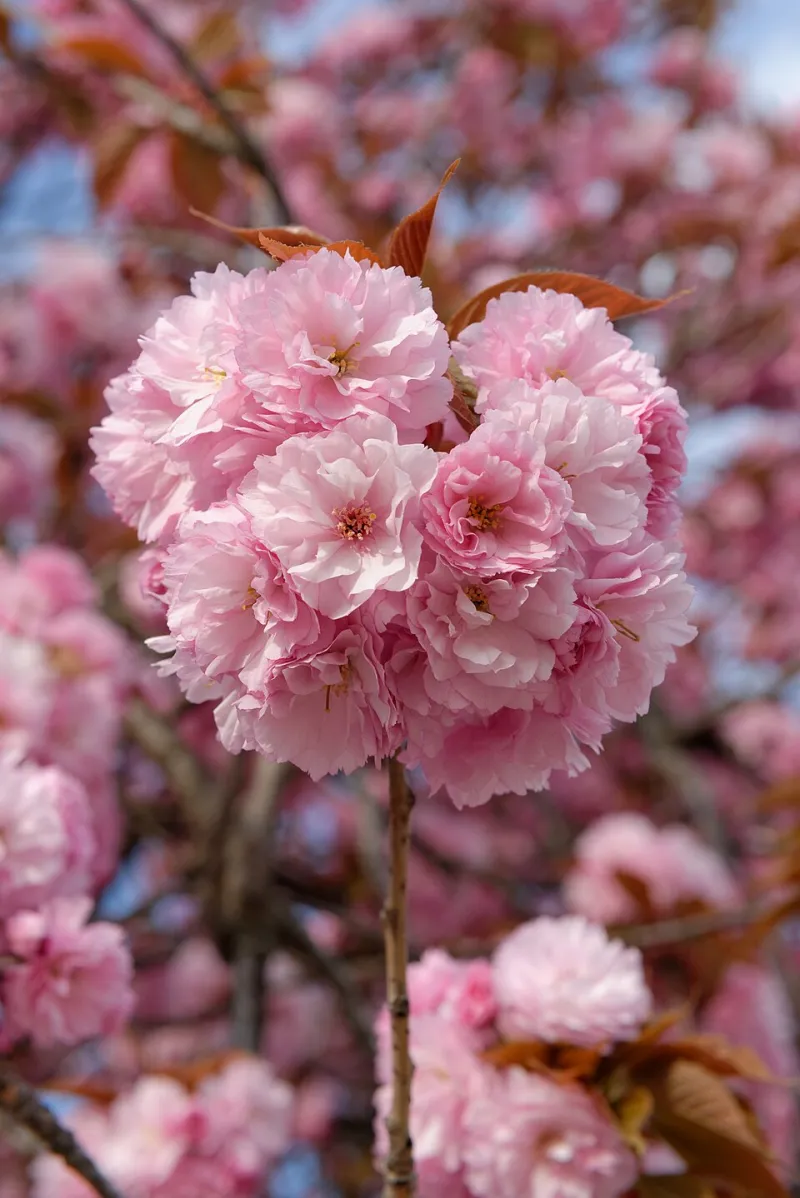
Cherry blossom dining is doing something different. It's been spreading quietly — through Instagram saves, through word-of-mouth from people who describe their meal as "weirdly calming," through a growing number of diners who walk out of places like 36 Sakura Café saying they feel genuinely restored in a way they weren't expecting. And when you start pulling back the layers, it turns out there's actually something real happening here. This isn't just aesthetic dining. There's science, philosophy, and a centuries-old cultural framework behind why sitting down to a sakura-inspired meal might be one of the more intentional things you do for yourself this season.
What's Actually in Cherry Blossoms?
Let's start with the ingredient itself, because the nutritional conversation around sakura is more interesting than most people realize.
Cherry blossoms contain quercetin, a flavonoid with well-documented antioxidant and anti-inflammatory properties. Research has linked quercetin to everything from reduced allergy symptoms to cardiovascular support — which is a bit ironic, given that sakura season is peak allergy season for a lot of Americans. The blossoms also contain coumarin compounds, which have historically been studied for their potential circulatory benefits, though it's worth noting that the quantities used in food are modest.
Salt-preserved sakura petals, which appear in traditional Japanese dishes like sakura mochi, sakura rice, and sakura-infused teas, retain some of these properties while adding a gentle mineral quality to food. They're not a superfood in the dramatic, marketing-department sense of the word. But they're not nutritionally empty, either. They're a functional ingredient with a long history of use in Japanese herbal and culinary tradition.
Sakura leaf, often used to wrap mochi, contains coumarin in higher concentrations and has a distinct, almost vanilla-like aroma that contributes to the sensory experience of eating — which, as it turns out, matters more to your wellbeing than you might think.
The Japanese Concept That Explains Why This Works
In Japan, there's a concept called shun — the idea of eating ingredients at their seasonal peak. It's not just about freshness or flavor, though those are part of it. Shun is a philosophy that connects the person eating to the natural world, to the particular moment they're in. Eating sakura dishes during cherry blossom season is a direct expression of this idea.
And here's where it gets genuinely interesting from a wellness standpoint: research on mindful eating and intentional food rituals consistently shows that the context of a meal affects how your body processes it. Stress hormones like cortisol can interfere with digestion and nutrient absorption. Eating in a calm, aesthetically pleasing environment — one that signals to your nervous system that this moment is worth pausing for — actually supports better physiological outcomes from the meal itself.
A cherry blossom-themed dining experience, with its soft color palette, seasonal specificity, and unhurried pace, is essentially a curated environment for exactly that kind of parasympathetic response. You're not just eating. You're signaling to your body that it's okay to slow down.
Hanami as a Mental Health Practice (Yes, Really)
Hanami — the Japanese tradition of gathering beneath blooming cherry trees to appreciate their beauty — has been practiced for over a thousand years. What's striking, viewed through a contemporary lens, is how closely it resembles practices that modern psychology now actively recommends.
Present-moment awareness? That's the whole point of hanami. The blossoms last only a week or two, and their fleeting nature is central to the experience. You're not scrolling your phone under a cherry tree (or at least, you're not supposed to be). You're there, noticing what's in front of you, because you know it won't be there much longer.
Nature exposure? Decades of research, including the well-known Japanese practice of shinrin-yoku (forest bathing), confirms that time spent in natural environments reduces cortisol, lowers blood pressure, and improves mood. Cherry blossoms, as a natural stimulus, activate similar responses — there's even preliminary research suggesting that floral environments specifically promote feelings of calm and social connection.
Communal eating? Consistently identified as one of the strongest predictors of psychological wellbeing across cultures. Hanami is, at its core, a communal meal.
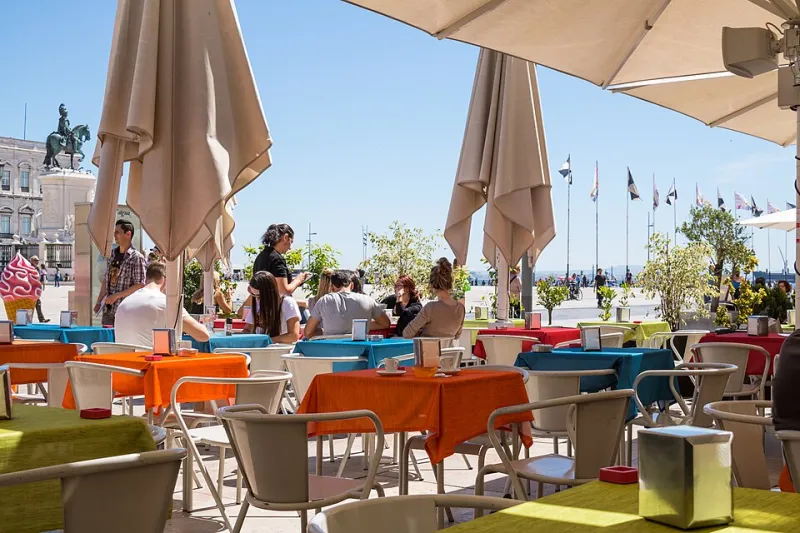
A restaurant like 36 Sakura Café translates these elements into an accessible urban format. You don't need to travel to Japan or wait for the perfect spring afternoon. The environment, the ingredients, and the pace of the meal are designed to create that same quality of experience — intentional, sensory, grounded in something larger than the meal itself.
Why Americans Are Responding So Strongly Right Now
It would be easy to chalk this up to aesthetics. Cherry blossoms are beautiful, and beautiful things photograph well, and that's the whole story. But that explanation doesn't hold up when you look at the data on why people are actually returning to cherry blossom dining experiences — and returning they are.
The past few years have left a lot of Americans feeling overstimulated, disconnected, and genuinely depleted. The wellness industry has responded with more products, more protocols, more things to optimize. What cherry blossom dining offers is almost the opposite of that: less. Less noise. Less rushing. A meal that asks you to pay attention to something quiet and fleeting and beautiful.
There's a reason the phrase "it felt like a reset" comes up so often when people describe these experiences. It's not magic. It's the result of a carefully constructed environment that gives your nervous system permission to exhale.
What This Means at 36 Sakura Café
We think about this a lot when we're putting together a menu or designing the space for a new season. The goal has never been to just serve pretty food. It's to create the conditions for a certain kind of meal — one where you arrive preoccupied and leave feeling like yourself again.
That shows up in the ingredients we source, the pace we encourage, and the way the space is designed to feel like a pause rather than a pit stop. Whether you're coming in for a solo lunch or a full dinner with people you love, we want the experience to feel like something you did for yourself, not just something you consumed.
Cherry blossom season comes and goes. But the instinct to slow down, to eat with intention, to let something beautiful remind you that you're present — that's available any time you're ready for it. We'll have a table waiting.