Gone by Morning: The Strange Science of Why Limited Menus Hit Differently
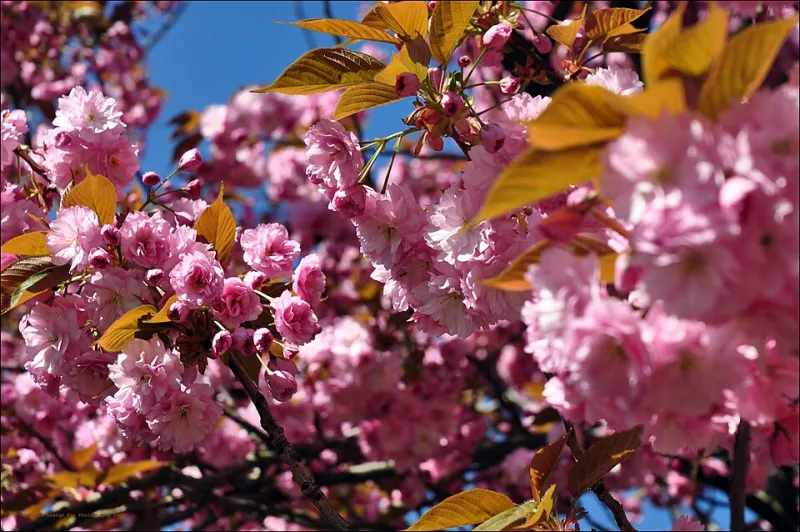
Photo: Images George Rex from London, England, CC BY-SA 2.0, via Wikimedia Commons
Picture this: two bowls of ramen, identical in every measurable way — same broth, same noodles, same careful arrangement of toppings. One is on the menu every single day of the year. The other disappears after six weeks, gone until next spring. Which one tastes better?
If you said the second one, you're not imagining things. And you're definitely not alone.
There's a growing body of research suggesting that the circumstances surrounding a meal — not just what's on the plate — shape how we experience flavor, how deeply we encode the memory, and how much satisfaction we walk away with. At 36 Sakura Café, this idea isn't just a philosophical talking point. It's baked into the entire dining concept, petal by petal.
The Cherry Blossom Doesn't Apologize for Leaving
The Japanese have a word for it: mono no aware. Loosely translated, it means "the bittersweet awareness of impermanence" — the particular emotional texture that comes from knowing something beautiful won't last. Cherry blossoms embody this concept almost too perfectly. They bloom for roughly two weeks. They're luminous, almost aggressively beautiful, and then they're gone. And somehow, that departure is part of what makes them matter.
Japanese culture has organized entire social rituals around this window. Hanami — the tradition of gathering beneath blooming sakura trees to eat, drink, and simply be present — isn't just a nice spring activity. It's a deliberate act of attention. You show up because you know you won't get another chance for a full year. That urgency sharpens every sense.
American dining culture, by contrast, tends to run in the opposite direction. We like options. We like knowing our favorite dish will be there when we want it. Chains built entire empires on the promise of consistency — walk into any location, anywhere in the country, and the burger will taste exactly the same. That reliability is genuinely comforting. But it doesn't make for great memories.
What Scarcity Does to Your Brain (and Your Taste Buds)
Here's where the science gets interesting. Psychologists have studied the effect of perceived scarcity on enjoyment for decades, and the findings are pretty consistent: when we believe something is rare or temporary, we pay more attention to it. And attention, it turns out, is one of the most underrated flavor enhancers available.
A study published in Psychological Science found that people reported higher satisfaction and enjoyment from experiences they knew were time-limited compared to identical experiences with no stated endpoint. The researchers called it the "last supper effect" — the awareness that something is ending heightens our appreciation of it in the moment.
Apply that to food and you start to understand why a seasonal sakura-infused dish at a cherry blossom café hits differently than a perfectly competent entrée at your everyday neighborhood spot. Your brain is already primed to pay attention. You're not scrolling your phone between bites. You're there.
There's also a sensory component. When we're emotionally engaged, our olfactory and gustatory systems tend to be more active. Stress and distraction suppress taste perception. Presence and anticipation amplify it. A meal you've been looking forward to — one you know you can only have right now, in this season — arrives with a kind of emotional charge that ordinary meals simply don't carry.
Why American Diners Are Starting to Seek This Out
Something has shifted in how Americans approach dining over the last several years. The pandemic accelerated a lot of it — when restaurants closed and every meal became either takeout or something you made yourself, people started to really feel the absence of the experience of eating out. Not just the food, but the ritual. The occasion.
When things reopened, a noticeable segment of diners didn't just want to go back to normal. They wanted meals that felt like events. Reservations at omakase counters became nearly impossible to snag. Pop-up dinners sold out in minutes. Seasonal tasting menus with fixed dates and limited seats became aspirational in a way they never quite had been before.
This is the cultural moment that cherry blossom dining walks into. It's not a gimmick. It's a direct response to a genuine hunger — and we mean that almost literally — for food experiences that feel meaningful rather than just convenient.
The 36 Sakura Approach: Intentional Impermanence
At 36 Sakura Café, the seasonal philosophy isn't about artificial scarcity or marketing pressure. It's rooted in something older and more honest than that. Japanese cuisine has always been deeply tied to the concept of shun — the peak season of an ingredient, the brief window when it's at its absolute best. Eating with the seasons isn't a trend in Japanese culinary tradition. It's the foundation.
When a dish on our menu features sakura-cured salmon or a dessert built around salt-preserved cherry blossoms, it's there because those flavors belong to a specific moment in the year. Serving them year-round would be a little like playing holiday music in July — technically possible, kind of charming for about five minutes, but ultimately disconnected from the thing that makes it resonate.
The limited window also changes how guests show up. There's a different quality of attention at the table when diners know they're eating something that won't be available next week. Conversations tend to center on the food. People take photos not just for the 'gram, but because they actually want to remember this. The meal becomes an event rather than a transaction.
The Memory Factor
Here's one more piece of the puzzle worth sitting with. Memory researchers have long known that emotionally significant experiences are encoded more vividly and retained longer than neutral ones. A meal tied to a specific season, a specific occasion, a specific sense of this is only happening right now — that meal is far more likely to become a lasting memory than Tuesday's dinner at a place you've been to forty times.
This matters because food memories are powerful in a way that's hard to overstate. They're tied to identity, to relationships, to a felt sense of who we are and where we've been. The meals we remember most are almost never the most expensive or the most technically impressive. They're the ones where something beyond the food was also happening.
Cherry blossom season creates that context naturally. It arrives, it asks for your attention, and then it moves on. The food served within that window carries that energy. And somehow, impossibly, a dish that exists for only a few weeks manages to leave an impression that lasts for years.
Maybe the sakura was onto something all along.