Finish the Plate, Skip the Foil Swan: The Case for Eating Exactly Enough at 36 Sakura Café
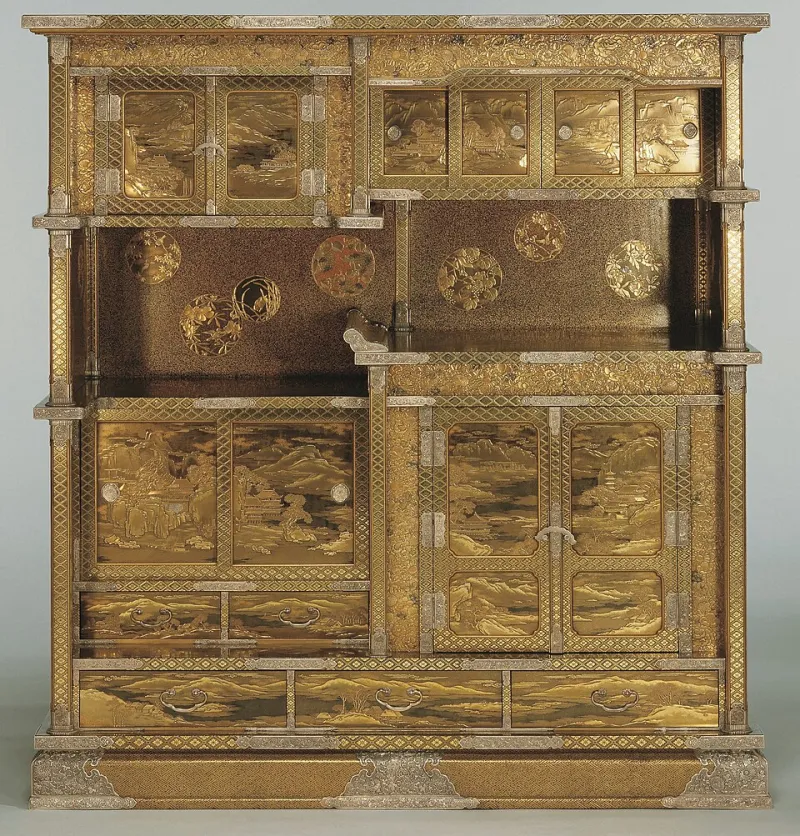
Photo: Khalili Collections, CC BY-SA 4.0, via Wikimedia Commons
Let us start with a confession: there is nothing morally wrong with a takeout box. Sometimes you order too much. Sometimes you have a long drive home. Sometimes the garlic noodles are even better the next day. This is not an argument against leftovers in general. It is an argument against the reflex — the automatic request for foil and a bag before anyone at the table has decided whether the meal is actually finished.
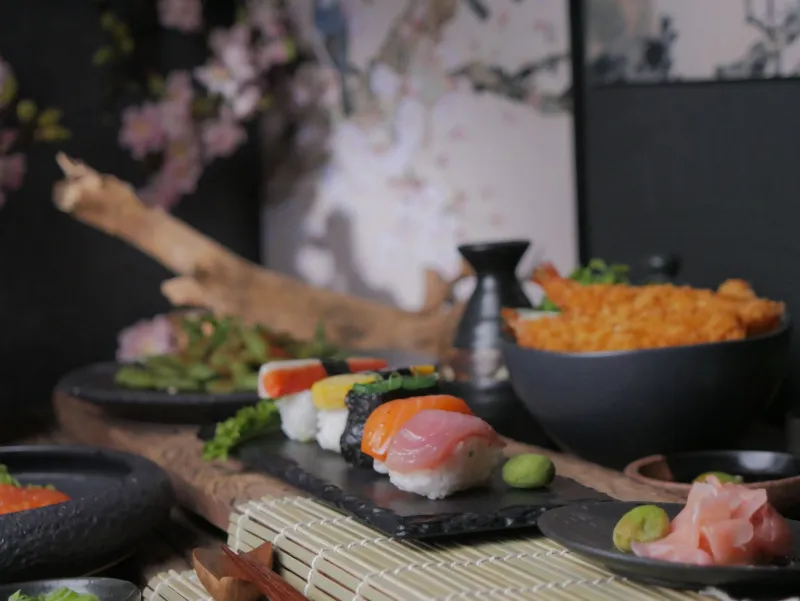
At 36 Sakura Café, the plate is designed to end. Not because the kitchen is stingy. Because the menu is built around timing, seasonality, and the idea that a meal has a natural shape. When that shape works, a doggy bag stops feeling like a bonus and starts feeling like a second act nobody asked for.
The Doggy Bag Is a Solution to a Different Problem
American restaurant portions are often sized for value, not appetite. We have trained ourselves to see a full box as proof of generosity and an empty plate as proof of a good meal. But those two things are not the same. A giant portion can be impressive and still leave you feeling heavy, distracted, and vaguely regretful.
The doggy bag exists because many restaurants serve more food than a person can comfortably eat in one sitting. That is a real problem, and taking food home is a reasonable response. But at 36 Sakura Café, the portions are intentional. A tasting-style sequence is not trying to fill you up with volume. It is trying to move you through flavors, textures, and temperatures while they are at their best.
That is a different goal. And it calls for a different ending.
Portions Are a Form of Timing
Think about the last time you ate something that was perfectly hot and crispy. Now think about it 25 minutes later, after it has been sealed in a container and driven home. The crunch is gone. The sauce has soaked in. The edge has gone soft. You did not ruin dinner. You just changed it.
Many dishes at 36 Sakura Café are built around a narrow window of perfection. A tempura leaf is best in the first two minutes. A petal garnish is there for fragrance as much as looks. A spoonful of rice is seasoned to be eaten with the next bite, not stored overnight. When you box those things up, you are not preserving the meal. You are preserving a memory of it.
Intentional portions also protect the pace. If every course is oversized, the meal slows down in the wrong way. You get full before the good part. You start negotiating with yourself: skip the next course, split the dessert, take the rest home. At 36, the portions are sized so that you can keep moving. The meal stays lively.
Seasonal Ingredients Do Not Travel Well
A cherry blossom-inspired menu is not built on sturdy comfort food. It is built on ingredients that are here for a short time and at their best for an even shorter one. Fresh shiso. Delicate pickles. A piece of fish that was sliced that afternoon. A dessert that relies on texture as much as sweetness.
These ingredients are not trying to survive a car ride. They are trying to be eaten now. That is not a guilt trip. It is just a fact about what is on the plate.
When a guest asks for a box, the staff will bring one. Nobody is going to lecture you. But the kitchen may also tell you, gently, that the dish will not be the same tomorrow. Sometimes that is all it takes. The guest laughs, finishes the last bite, and realizes they did not actually want a foil swan. They wanted permission to stop.
Food Waste Is Real — But So Is Overordering
Let us be honest about waste. Americans throw away a staggering amount of food, and restaurants are part of that system. Taking leftovers home can reduce waste. But it can also normalize overordering. If you know a box is waiting, you may order one more dish than you need. The box becomes a license, not a solution.
At 36 Sakura Café, the reservation and the set menu do a lot of the work before you sit down. The kitchen knows how much food is coming. The staff can guide you if you are still hungry. You do not have to guess. That reduces the odds that you will end up with a table full of half-finished plates and a vague sense of obligation.
And if you are genuinely still hungry? Say so. Order another small plate. Ask for more rice. Save room for dessert. That is a better use of everyone's time than packing up a delicate dish that will disappoint you at 11 p.m.
The Quiet Pleasure of Exactly Enough
There is a specific feeling that comes from finishing a meal and realizing you are satisfied, not stuffed. You are not calculating how long you need to lie down. You are not already planning a snack. You are just done. The plate is empty. The tea is warm. The conversation is still going.
That feeling is not deprivation. It is precision. It is the kitchen saying: we thought about how much you would need, and we gave you that. It is also a form of respect for the ingredients. Nothing is being stretched to look generous. Nothing is being wasted to prove a point.
So no, this is not a ban on doggy bags. If you want one, ask for one. But before you do, take a second. Is the meal actually unfinished? Or is the plate simply empty because it was designed that way?