Ancient Roots, Modern Plates: The Centuries-Old Ingredients Hiding in Your Favorite 36 Sakura Café Dishes
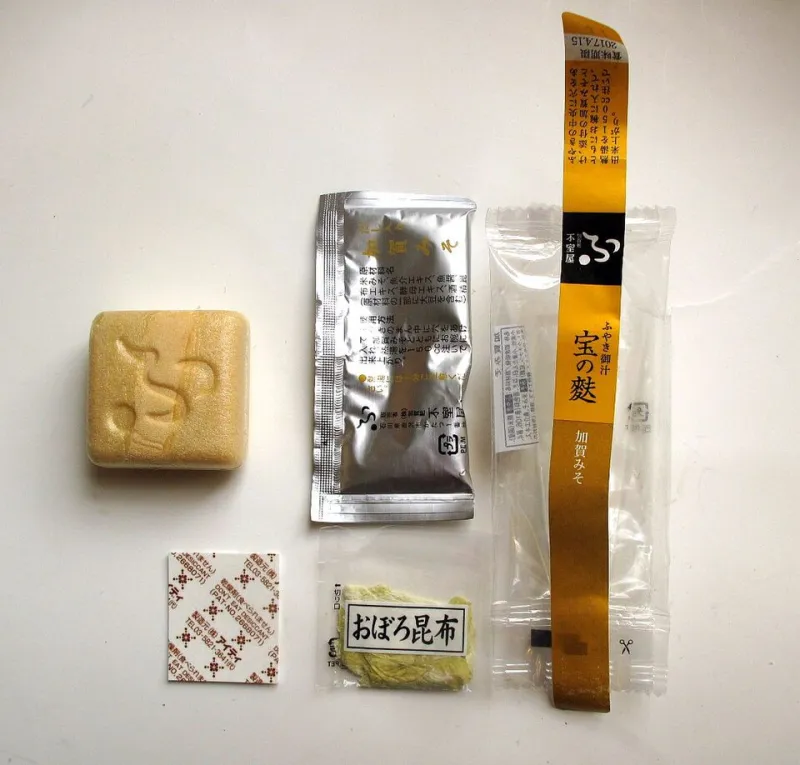
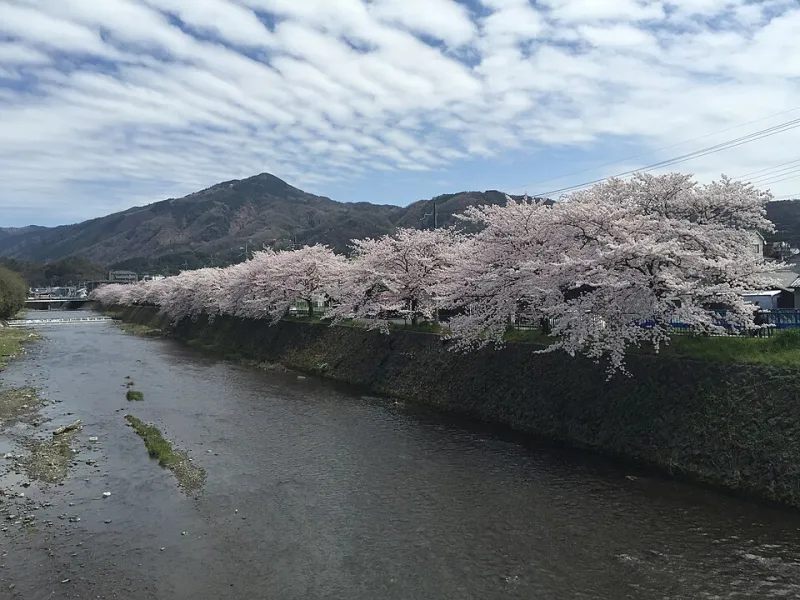
Photo: Downtowngal, CC BY-SA 4.0, via Wikimedia Commons
There's something quietly remarkable about sitting down to a meal and realizing that the flavors on your plate have been part of human life for a thousand years or more. Not as curiosities or historical footnotes — but as everyday, essential, beloved ingredients that generations of people have cooked with, traded, argued over, and passed down.
At 36 Sakura Café, we think about this a lot. The cherry blossom philosophy that runs through everything we do isn't just about aesthetics — it's about honoring what came before while making it feel alive and relevant right now. And nowhere is that more tangible than in the ingredients themselves.
Here are five ingredients on our menu that carry centuries of history, and why we think they deserve a moment of recognition.
1. Miso: The Ferment That Built a Civilization
Miso might be the most quietly powerful ingredient in Japanese cooking. It's been part of Japanese food culture since at least the 7th century CE, arriving via China and Korea before being adapted and refined into something distinctly Japanese. For centuries, it wasn't just a seasoning — it was currency, medicine, and a staple that sustained samurai on long campaigns.
The fermentation process behind miso — soybeans combined with salt and a mold culture called koji, then aged for anywhere from weeks to years — is one of the oldest forms of food preservation humans developed. Different regions of Japan developed their own styles: lighter and sweeter in the south, darker and more intense in the north.
At 36 Sakura Café, miso shows up in broths, glazes, and dressings, often as a background note that you might not immediately identify but would absolutely miss if it were gone. It's the ingredient that makes a dish taste like it's been somewhere. Like it has depth that wasn't manufactured — because it wasn't.
2. Yuzu: Japan's Most Beloved Citrus Has a Long Memory
Yuzu is having a major moment in American food culture right now, popping up in cocktails, desserts, and fancy condiments from coast to coast. But this knobby, fragrant citrus fruit has been part of East Asian cuisine for over a thousand years, originating in China before becoming deeply embedded in Japanese culinary and cultural life.
In Japan, yuzu is more than a flavoring — it's a seasonal marker. The winter solstice tradition of bathing in yuzu-infused water (yuzuyu) is still practiced today, a ritual believed to ward off illness and welcome the cold months with warmth. The fruit's tart, floral juice and intensely aromatic zest have flavored everything from high-end kaiseki courses to everyday home cooking for centuries.
For us at 36 Sakura Café, yuzu is one of the ingredients that most naturally connects to the sakura spirit. Both the cherry blossom and the yuzu are tied to specific seasons, specific feelings — that bittersweet awareness of time passing. When yuzu zest shows up in a vinaigrette or a dessert glaze here, it's not just adding brightness to a dish. It's carrying that long memory forward.
3. Wasabi: Way More Than a Condiment
Most Americans know wasabi as the green paste that comes alongside sushi — and, if they've had the real thing rather than the dyed horseradish that often substitutes for it, they know it's something genuinely special. Real wasabi (Wasabia japonica) is a plant native to Japan that grows along mountain stream beds, and it's been cultivated and used in Japanese cuisine since at least the 10th century.
Historically, wasabi wasn't just valued for its flavor. It was believed to have antimicrobial properties — a practical consideration in a food culture where raw fish was a staple. Samurai and nobles prized it. It appeared in texts and records going back to the Heian period. And growing it is notoriously difficult, which is why authentic wasabi is expensive and relatively rare even in Japan.
When we use real wasabi at 36 Sakura Café — freshly grated, with that clean heat that blooms and fades quickly rather than burning — we're honoring that history. It's a reminder that what might seem like a simple condiment is actually the product of centuries of agricultural knowledge and culinary refinement.
4. Dashi: The Invisible Foundation
If miso is the soul of Japanese cooking, dashi is the skeleton. This light, savory broth — made most traditionally from kombu (dried kelp) and katsuobushi (fermented, dried tuna flakes) — is the foundation of an enormous range of Japanese dishes. Soups, sauces, simmered vegetables, noodle broths: most of them start with dashi.
Kombu has been harvested from Japanese coastal waters for over a thousand years. The practice of using it to create flavorful cooking liquid is documented as far back as the Nara period (710–794 CE). What Japanese cooks were doing, without necessarily having the scientific vocabulary for it, was extracting glutamates — the compounds responsible for umami, that savory depth that makes food taste more fully like itself.
At 36 Sakura Café, dashi is one of those background ingredients that guests rarely think about but always feel. It's in the quiet richness of a broth, the way a sauce seems to have more dimension than its ingredients might suggest. It's centuries of culinary wisdom doing its work invisibly.
5. Sakura (Cherry Blossom): An Ingredient and an Idea
We couldn't write this piece without including the ingredient that gives our café its name and its soul. Sakura — cherry blossoms — have been used in Japanese cooking for centuries, primarily in preserved form: salted or pickled to capture their delicate floral flavor and extend their fleeting seasonal life.
Salted sakura petals appear in traditional spring celebrations, floating in hot water to make sakurayu, a tea served at weddings and festive occasions. They're folded into rice, used to flavor confections, and pressed into seasonal sweets called wagashi. The practice of preserving cherry blossoms is itself a deeply poetic act — an attempt to hold onto something that, by its very nature, refuses to be held.
At 36 Sakura Café, sakura as an ingredient is our most direct link to the philosophy behind everything we do. When it shows up in a dish — as a garnish, a flavoring, a preserved petal resting on a plate — it's not decoration. It's a statement. It says: this moment matters. Pay attention. It won't last forever.
And neither will dinner, which is exactly why it deserves your full attention.