Where Do Sakura Ingredients Actually Come From? The Journey Behind Every Petal on Your Plate
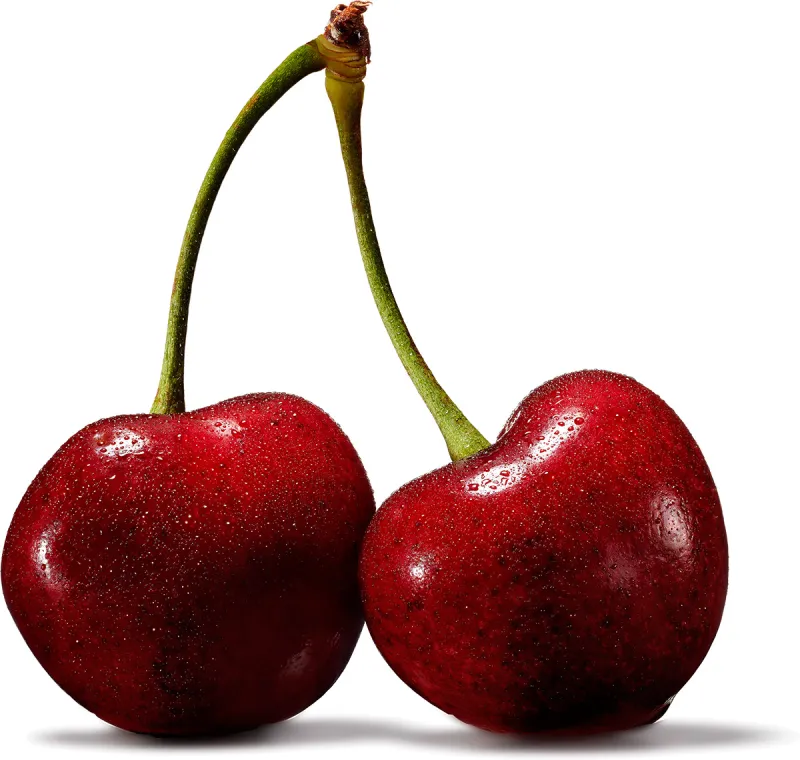
Photo: cherry blossom flowers harvesting Japan spring farm sakura petals, via graphics8.nytimes.com
Ask most people where sakura flavoring comes from and you'll get a vague answer involving Japan and spring. Which isn't wrong, exactly — but it leaves out a lot of the story. The reality of sourcing authentic sakura ingredients for a US-based restaurant is more complex, more interesting, and honestly more beautiful than the simple answer suggests.
At 36 Sakura Café, we think about our sakura ingredients the way a good winemaker thinks about grapes: the origin matters enormously, the processing method shapes the final flavor, and the relationships we build with suppliers are what make consistency possible. Here's what that actually looks like in practice.
Not All Cherry Blossoms Are Created Equal
This is the first thing worth understanding. There are hundreds of cherry blossom varieties in Japan alone — Somei Yoshino, Yaezakura, Kawazu-zakura — and they're not interchangeable in the kitchen. The variety most commonly used in Japanese culinary traditions is Prunus lannesiana, particularly the double-flowered yaezakura type, which has a more pronounced fragrance and holds up better to the salting and pickling process that preserves it for food use.
The flowers and leaves used in traditional Japanese cooking aren't simply dried and packaged. They're harvested at a very specific point — just before full bloom for the flowers, and in early spring for the leaves — then carefully salted and preserved in plum vinegar, a process that mellows the bitterness of the raw plant and develops the delicate, slightly floral, faintly almond-like flavor that makes sakura ingredients so distinctive.
Get the timing wrong, and the flavor profile shifts. Use the wrong variety, and the texture doesn't hold. This is why sourcing matters so much.
Where Our Sakura Ingredients Come From
The primary source for 36 Sakura Café's sakura flowers and leaves is a network of small-scale producers in Japan's Kanagawa Prefecture, particularly the area around Hadano City — which has been producing culinary sakura ingredients for well over a century and is considered the heartland of this tradition in Japan.
Farms in this region specialize almost exclusively in yaezakura cultivation for food use, which means they've refined their harvesting and preservation methods across generations. The salted cherry blossoms and leaves that arrive at our kitchen have typically been processed within days of harvest and then packed for export under strict cold-chain conditions to preserve their color, texture, and aroma.
For our sakura-infused syrups and extracts — used in drinks, desserts, and some of our more delicate sauces — we work with a small number of Japanese specialty ingredient producers who create food-grade concentrates from the same preserved flowers. These aren't artificial flavorings. They're derived from actual sakura, which is why the flavor reads as genuinely floral rather than synthetic.
The Import Journey: Getting Sakura to a US Kitchen
Importing specialty food ingredients from Japan involves more than booking a shipping container. There are USDA and FDA regulations around plant-derived food products, cold-chain logistics to manage, and lead times that require planning months in advance of when you actually need the ingredient on the plate.
Because sakura flowers and leaves are seasonal — the harvest window is genuinely just a few weeks in spring — we work with our suppliers to project our annual needs well ahead of time and secure our allocation early. Once processed and preserved, properly stored sakura ingredients can last up to a year without significant quality loss, which gives us the flexibility to use them across our menu throughout all four seasons.
We work with a specialized Japanese food importer based in California who handles the customs documentation, FDA registration requirements, and domestic cold-chain distribution. Having a US-based partner who understands both the Japanese supply side and American food import regulations has been genuinely essential to making this work consistently.
What Makes a Supplier Worth Working With
When we evaluate sakura ingredient suppliers, a few things matter more than price. The first is traceability — we want to know exactly which farm the product came from, when it was harvested, and how it was processed. The second is consistency. Because sakura flavor is subtle, variations in salt content, pickling time, or flower maturity at harvest can meaningfully affect how the ingredient performs in a recipe.
The third factor is honesty about product limitations. A supplier who tells us that a particular harvest year produced lighter-flavored flowers than usual — and adjusts their recommendations accordingly — is worth far more than one who oversells every batch. We've built our sourcing relationships around that kind of transparency.
We also look for suppliers who share our commitment to sustainable harvesting practices. The farms we work with in Kanagawa manage their orchards with multi-year yield health in mind, which means they're not over-harvesting in peak years at the expense of future seasons.
Why This Matters on Your Plate
All of this backstory — the farm selection, the harvest timing, the import logistics — ultimately exists in service of one thing: the moment you taste something at 36 Sakura Café and it genuinely surprises you.
Sakura rice with its faint floral perfume. A cocktail with just enough blossom syrup to make the flavor feel like a memory of spring. A dessert where a single salted sakura flower on top isn't garnish — it's a flavor note that changes everything about how the dish finishes.
That's what good sourcing makes possible. And at 36 Sakura Café, we think the story behind the ingredient is part of the flavor itself.