After the Door Locks: The Quiet Ritual That Ends Every Night at 36 Sakura Café
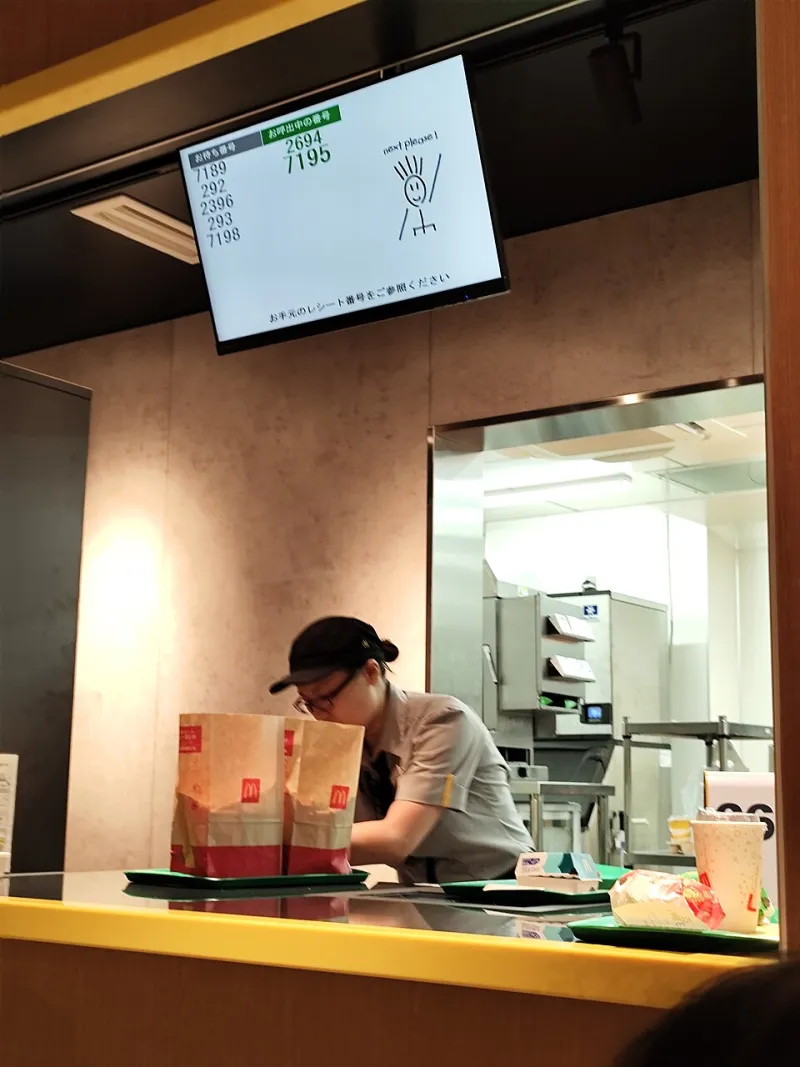
Photo: TKdows 2026, CC0, via Wikimedia Commons
At 9:47 on a cool November Tuesday, the final table at 36 Sakura Café is still laughing. Not loudly. Just enough that the server pauses before clearing the last of the sakura-infused custard. The guests are not being rushed. Nobody is stacking chairs. The kitchen is not blasting music or shouting about the next day's prep. The room is doing what it has done all night: holding a little pocket of calm.
Then the door closes behind them. The lock clicks. And the café changes without changing at all.
The Last Table Is Never Just a Table
Most restaurants treat the final reservation as a finish line. The staff is tired. The dishwasher is running. Someone is already thinking about the commute home. At 36 Sakura Café, the last seating gets the same attention as the first — maybe more, because there is no next table waiting.
The server does not hover, but she does notice. She notices when the tea is halfway gone. She notices that one guest has left a single piece of pickled plum on the plate, not because she disliked it but because she is saving it. The chef glances through the pass and sees an empty bowl of miso. These are small things. They are also the whole job.
When the final guests stand up, the goodbye is not a performance. It is a real goodbye. The host thanks them by name if he remembers it. The door opens, the night air comes in, and the room exhales.
The Ten-Minute Reset
After the lock clicks, nobody announces a meeting. The reset happens in pieces. One person inverts the water glasses on a clean cloth. Another wipes the counter in long, slow passes. The chef writes a note on a small pad — not a social media caption, just a reminder: the shiso was a little bitter tonight; check the next delivery.
The front of house and the kitchen drift toward each other. That is the first ritual. For a few minutes, the people who spent the evening on opposite sides of the pass are in the same space, doing the same quiet work. There is no customer voice in the room. There is only the sound of plates being stacked and the fridge door opening and closing.
This is not cleanup. Not really. It is the part of hospitality that guests never see but always feel the next day.
The Tasting That Does Not Make the Menu
Once the room is mostly reset, the staff gathers at the counter. The chef brings out a small bowl. It is not a menu item. It is usually something made from what is left — a spoonful of rice, a little miso, a few scraps of roasted mushroom, maybe a pickle that did not look perfect enough for service.
Everyone takes one bite. Then someone says something honest. The rice is a touch dry. The miso needs more time. The pickle is sharper than last week. The chef listens. Nobody is offended. This is not a review. It is calibration.
The staff tasting is not glamorous. It does not get photographed. It does not appear on the website. But it is the reason the next night's food tastes the way it does. The café is not just serving guests. It is also serving the next version of itself.
Why the Quiet Matters
The hour after service is still part of the hospitality. That sounds like a slogan, but it is practical. A rushed closing creates a rushed opening. A kitchen that leaves chaos behind will find chaos in the morning. A dining room that is wiped down with resentment will feel different tomorrow, even if no guest can name why.
At 36 Sakura Café, the closing calm is not an accident. It is a design choice. The room is small enough that everyone has to move with intention. The menu is limited enough that the kitchen can finish the night with a clear head. The staff is not trying to turn tables at 10 p.m. They are trying to end the day properly.
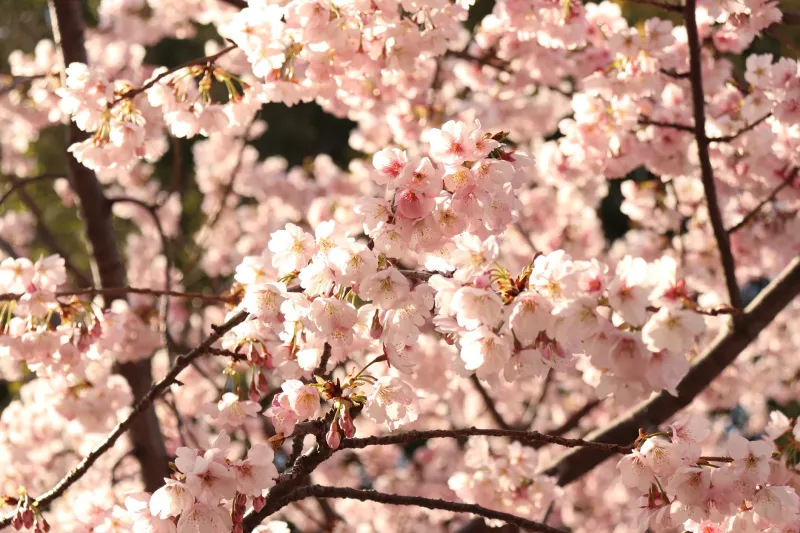
There is a Japanese idea of ma — the space between things — that guests often feel in the dining room. It shows up in the pauses between courses, the empty space on the plate, the way the server waits until you finish a sentence. But ma is not only for guests. It is also for the people who work here. The quiet after the last table is the ma of the workday.
What Guests Sense Even If They Don't See It
You will probably never see the staff tasting. You will not see the chef's note about bitter shiso. You will not see the server inverting glasses or the host checking the reservation book one last time. But you may feel the result.
The first seating of the next night often has a particular kind of ease. The room is ready. The staff is not frantic. The kitchen is not recovering from the night before. The calm is inherited.
And if you are the last table of the night, you may notice something else: nobody is trying to get rid of you. The server is not watching the clock. The kitchen is not slamming pans to send a hint. The café is still yours until you are done.
At 10:38, the lights go down in sections. The door locks behind the last staff member. The sidewalk outside is quiet. The café is empty, but it is not finished. The last table of the night is already part of the first table of tomorrow.